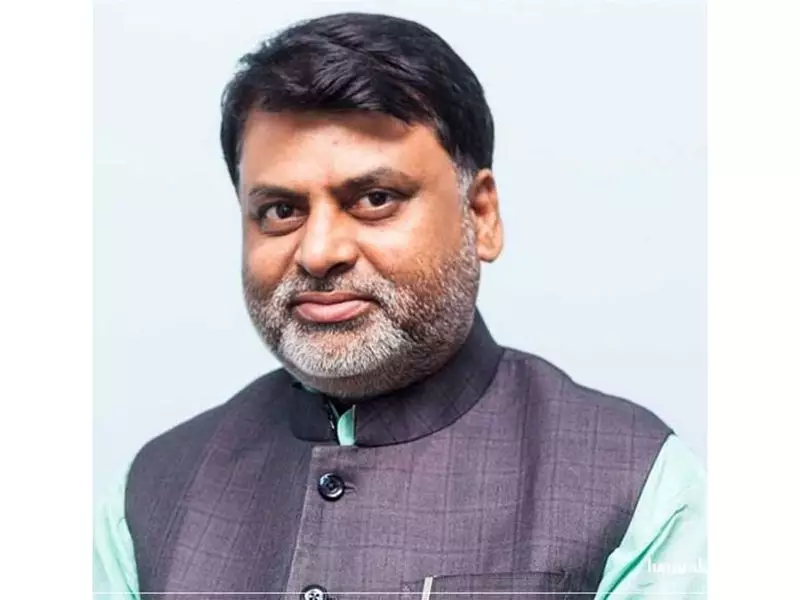
In a significant political development that has shaken Nepal's provincial governance structure, Jitendra Sonal has resigned from his position as Chief Minister of Madhesh Province. The resignation comes just ahead of a crucial vote of confidence that was scheduled to test his government's stability.
The Resignation Announcement
Sonal, who represented the Janata Samajwadi Party, made the formal announcement about stepping down from his leadership role on Sunday, February 11, 2024. The political maneuver occurred precisely one day before the scheduled trust vote in the provincial assembly, where his government faced the real possibility of being voted out of power.
The outgoing Chief Minister confirmed his resignation during a conversation with reporters at the Office of the Chief Minister and Council of Ministers in Janakpur. His decision to step down preemptively rather than face the confidence vote demonstrates the fragile nature of the political alliances that had been supporting his government.
Political Background and Context
The political crisis in Madhesh Province had been brewing for some time, with Sonal's government losing its majority support in the provincial assembly. The vote of confidence was scheduled for Monday, February 12, 2024, following growing dissatisfaction among coalition partners and opposition parties.
Madhesh Province, which shares a border with India's Bihar state, has been a crucial political territory in Nepal's federal structure. The resignation of its chief minister marks another chapter in the ongoing political instability that has characterized Nepal's transition to federal governance.
Sonal's tenure as chief minister had been marked by challenges in implementing development projects and addressing the concerns of the Madhesi people, who have long sought greater autonomy and representation in Nepal's political framework.
Implications and Next Steps
The resignation creates a political vacuum in Nepal's most populous province, raising questions about administrative continuity and governance. According to constitutional provisions, the provincial assembly will now need to elect a new chief minister, or fresh elections might be called if no candidate can secure a majority.
This development is particularly significant given Madhesh Province's strategic importance in Nepal-India relations and its role in Nepal's economic development. The province serves as a major transit point for trade between the two countries and hosts several key border crossing points.
Political analysts suggest that Sonal's resignation reflects broader challenges in Nepal's coalition politics, where shifting alliances and party defections have made stable governance difficult to maintain at both federal and provincial levels.
The coming days will be crucial as political parties negotiate to form a new government in Madhesh Province, with potential implications for Nepal's federal structure and the balance of power among the country's major political parties.