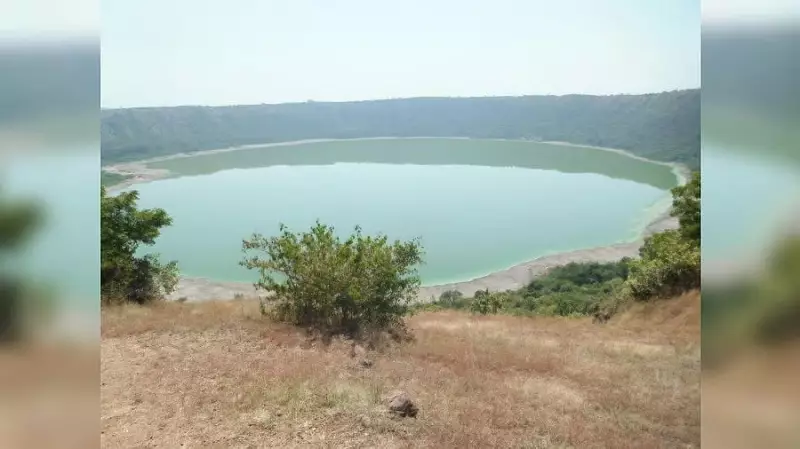
The water level in Maharashtra's Lonar lake has risen significantly, resulting in the submergence of temples located along its shores. This development has sparked alarm among local communities and conservationists, given the lake's status as a Ramsar site—a wetland recognised under the Ramsar Convention, an international treaty for the conservation and sustainable use of wetlands, to which India is a signatory.
Impact on Cultural and Natural Heritage
The rising water levels have directly affected the temples, which hold cultural and religious significance for residents in the region. These structures are now partially or fully underwater, highlighting the vulnerability of heritage sites to environmental changes. The situation underscores the need for immediate assessment and protective measures to safeguard both the natural and cultural assets of the area.
Conservation Concerns at the Ramsar Site
As a Ramsar site, Lonar lake is protected under international agreements aimed at preserving wetlands and their biodiversity. The recent water level increase raises questions about the effectiveness of current conservation strategies and the potential impacts of climate variability. Experts are calling for enhanced monitoring and adaptive management to address such challenges and ensure the lake's ecological integrity.
Possible Causes and Future Implications
Factors contributing to the rising water levels may include seasonal rainfall patterns, changes in groundwater, or broader climatic shifts. This event serves as a reminder of the interconnectedness between environmental health and human activities. Moving forward, stakeholders must collaborate to develop sustainable solutions that balance conservation efforts with the needs of local communities.