Final Total Lunar Eclipse Until 2029: A Global Celestial Spectacle
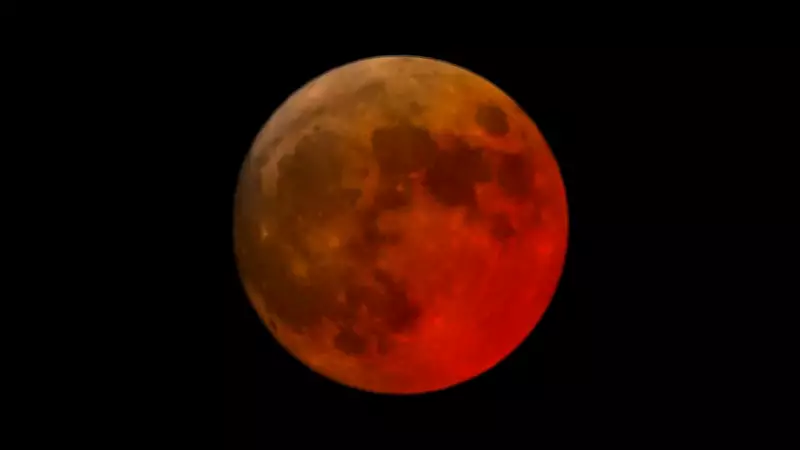
Tomorrow, a breathtaking celestial event will captivate skywatchers across the globe. According to PTI News, a total lunar eclipse is set to occur, marking the final opportunity to witness such a phenomenon until 2029. This rare alignment offers a stunning visual display as the Moon transitions into a deep red hue, commonly referred to as a "blood moon." Enthusiasts and casual observers alike are encouraged to look up, as this event combines natural beauty with significant scientific interest.
Understanding the Total Lunar Eclipse
During a total lunar eclipse, the Moon passes completely into Earth's shadow, a process that unfolds over several hours. Unlike solar eclipses, which require protective eyewear, lunar eclipses can be safely viewed with the naked eye. As the Moon moves through the umbra—the darkest part of Earth's shadow—it gradually darkens and takes on a reddish glow. This effect results from sunlight bending through Earth's atmosphere, where shorter blue wavelengths scatter, allowing longer red wavelengths to illuminate the lunar surface. PTI notes that this predictable natural occurrence has inspired myths, stories, and scientific studies for centuries.
When and Where to Observe the Eclipse
The total lunar eclipse will be visible from multiple continents, including Asia, Australia, Africa, Europe, and the Americas, though timing varies by location. PTI advises checking local astronomical charts for precise viewing schedules. In India, the eclipse is anticipated to begin in the late evening, with totality—the phase when the Moon is fully shadowed—lasting approximately 40 to 50 minutes. Optimal viewing conditions require clear skies and minimal light pollution, making rural or open areas ideal. Observers can enhance their experience using binoculars or telescopes to see lunar details like craters, though these tools are not necessary for enjoyment.

Why This Eclipse Is the Last Until 2029
Astronomical calculations indicate that after tomorrow, no total lunar eclipses will be widely visible until 2029. This rarity stems from the precise alignment needed among the Sun, Earth, and Moon, which occurs infrequently. While partial and penumbral eclipses will continue to happen, total eclipses like this one are far less common. The extended gap underscores the importance of this event for astronomy enthusiasts, educators, and students, offering a unique learning opportunity. Those who miss it may face a wait of nearly three years for another chance to witness full totality.
Tips for Maximizing Your Eclipse Experience
To fully appreciate the lunar eclipse, consider these practical suggestions:
- Seek a clear, open sky away from obstructions like buildings or trees.
- Use binoculars or a telescope for a closer view of lunar features, though they are optional.
- Adjust camera settings for long exposures to capture the red glow effectively.
- Consult local astronomical charts for exact start, peak, and end times.
- Share the experience with friends or family to make it more memorable and educational.
The Science Behind the "Blood Moon"
The red coloration during a total lunar eclipse is caused by Rayleigh scattering, a phenomenon where Earth's atmosphere bends sunlight toward the Moon. Shorter blue wavelengths disperse in various directions, while longer red wavelengths pass through and illuminate the lunar surface. Reports indicate that this effect mirrors the red hues seen during sunrises and sunsets. The intensity and shade of red can vary based on factors such as volcanic activity, atmospheric dust, or weather conditions, making each eclipse visually distinct.
Excitement Surrounding Tomorrow's Event
Total lunar eclipses attract widespread interest due to their blend of aesthetic appeal and scientific value. They provide opportunities for photography, stargazing, and educational activities. According to reports, astronomy clubs and educators often organize viewing events, public lectures, and live streams to help people understand the phenomenon. This particular eclipse is generating extra attention as the last total lunar eclipse until 2029, presenting a once-in-a-decade chance to experience a "blood moon" in its full splendor.