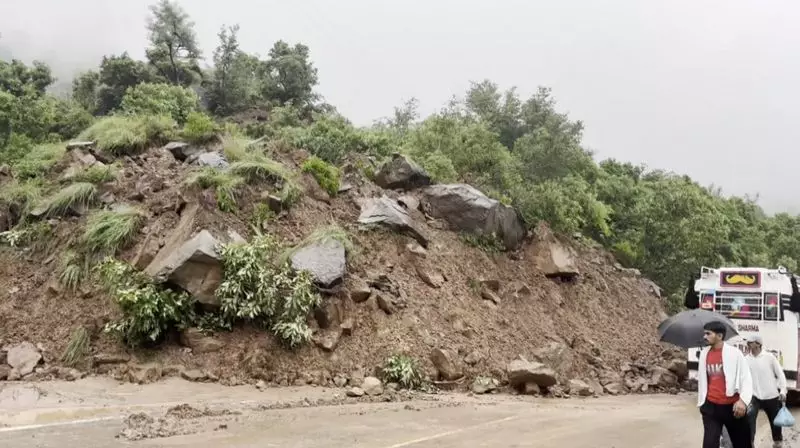
Landslide in Kishtwar District Buries Dozens of Livestock, Causing Agricultural Losses
A significant landslide has occurred in the Kishtwar district of Jammu and Kashmir, resulting in the burial of dozens of livestock. This natural disaster has inflicted substantial losses on local farmers, who rely heavily on these animals for their livelihoods. The incident underscores the ongoing vulnerability of hill regions to such geological hazards, particularly during periods of heavy rainfall or seismic activity.
Impact on Local Agriculture and Economy
The landslide, which struck a rural area in Kishtwar, has buried a large number of livestock, including sheep, goats, and possibly cattle. These animals are crucial for the agricultural economy of the region, providing milk, meat, wool, and labor. The loss is expected to have a severe impact on the affected families, potentially leading to financial hardship and reduced food security. Local authorities are assessing the extent of the damage, but initial reports indicate that dozens of animals have been lost, with rescue efforts hampered by the terrain and ongoing risks of further landslides.
Geological and Environmental Factors
Kishtwar, located in the hilly terrain of Jammu and Kashmir, is prone to landslides due to its geological composition and climatic conditions. Factors such as:
- Heavy rainfall that can saturate the soil and destabilize slopes.
- Seismic activity in the region, which is part of the Himalayan belt.
- Deforestation and human activities that may weaken natural barriers.
These elements contribute to the frequency of such disasters, highlighting the need for better disaster management strategies in vulnerable areas. The recent incident serves as a reminder of the importance of early warning systems and community preparedness to mitigate future risks.
Response and Recovery Efforts
In response to the landslide, local disaster management teams have been mobilized to the site. Their efforts include:
- Assessing the safety of the area to prevent further casualties.
- Attempting to recover any surviving livestock, though chances are slim given the scale of the burial.
- Providing support to affected farmers, which may include compensation or aid to help them rebuild their livelihoods.
However, the challenging topography of Kishtwar makes rescue operations difficult, and there are concerns about additional landslides in the vicinity. Authorities are urging residents in similar high-risk zones to remain vigilant and follow safety advisories.
Broader Implications for Hill Region Safety
This landslide in Kishtwar is not an isolated event but part of a larger pattern of natural disasters affecting hill regions across India. It raises critical questions about:
- Infrastructure development in such areas and whether it adequately considers geological risks.
- The effectiveness of current disaster response mechanisms in remote locations.
- The need for sustainable agricultural practices that reduce dependency on livestock in hazard-prone zones.
As climate change potentially exacerbates extreme weather events, incidents like this highlight the urgency for integrated approaches to land use planning and disaster risk reduction. Stakeholders, including government agencies and local communities, must collaborate to enhance resilience and protect both human and animal lives in these vulnerable landscapes.