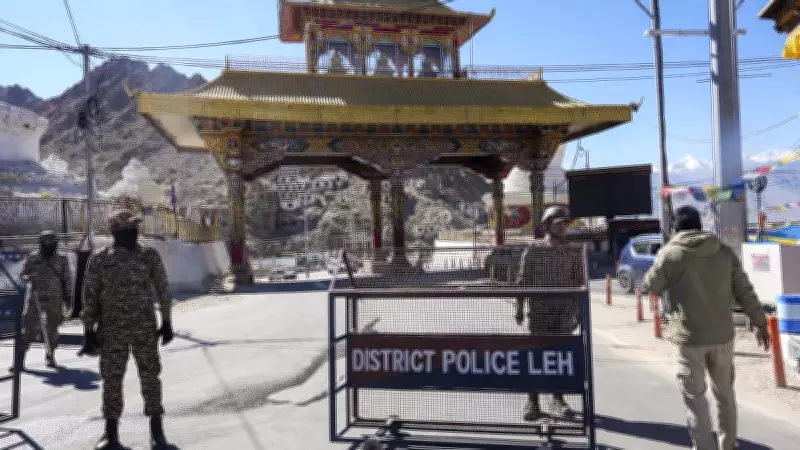
Nearly seven years after it became a Union Territory (UT), Ladakh finds itself at a critical crossroads where domestic political aspirations intersect with pressing national security concerns. The region, which was granted UT status in 2019, continues to grapple with a complex landscape of dialogue, mutual distrust, and geopolitical maneuvering that will define its next phase of development.
The Political Landscape
Ladakh's political journey since becoming a UT has been marked by persistent demands for statehood and constitutional safeguards. Local leaders and civil society groups have repeatedly called for the restoration of special provisions under Article 371, which were effectively nullified when Jammu and Kashmir's special status was revoked. The demand for a separate state legislature, as opposed to the current arrangement of being a UT without a legislative assembly, remains a central issue.
Dialogue and Distrust
Efforts to address these demands through dialogue have been ongoing, but progress has been slow. The government has held multiple rounds of talks with Ladakh's representatives, yet a concrete resolution remains elusive. This has fostered a sense of distrust among local communities, who feel that their concerns are not being adequately addressed. The lack of a legislative body further exacerbates this sentiment, as residents have limited avenues for political representation.

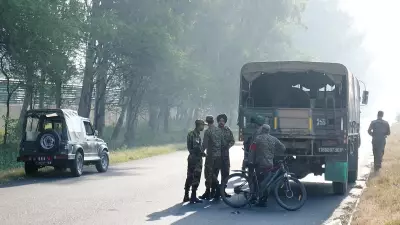
At the same time, the central government's focus on national security, particularly in light of the ongoing border tensions with China, has added another layer of complexity. Ladakh's strategic location along the Line of Actual Control (LAC) makes it a critical region for India's defense posture. This has led to increased military infrastructure and troop deployment, which some locals view as a double-edged sword: while it brings economic benefits, it also heightens the region's vulnerability to geopolitical shocks.
Geopolitical Dimensions
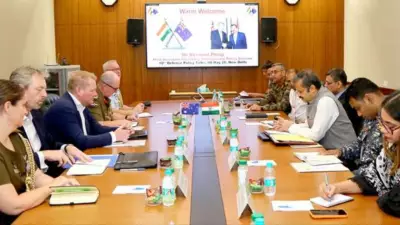
The geopolitical dynamics involving India, China, and Pakistan further complicate Ladakh's situation. The border standoff with China in eastern Ladakh, which began in 2020, remains unresolved despite multiple rounds of military and diplomatic talks. This has kept the region on edge, with periodic flare-ups and a heightened sense of insecurity. Pakistan's claims over the region, though largely rhetorical, add another layer of tension.
Economic and Social Implications
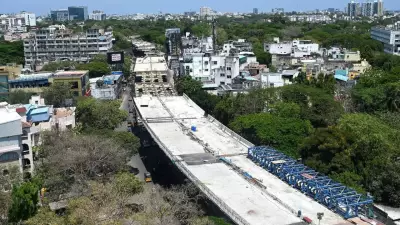
Economically, Ladakh has seen some development since becoming a UT, with increased central funding and infrastructure projects. However, the benefits have not been evenly distributed, and many residents feel left behind. The region's fragile ecosystem also poses challenges for sustainable development. Socially, the influx of military personnel and migrants has altered the demographic fabric, leading to concerns about cultural preservation and local identity.
Looking ahead, Ladakh's future will depend on the ability of all stakeholders to engage in meaningful dialogue that balances political aspirations with security imperatives. Trust-building measures, both between the central government and local communities and between India and its neighbors, will be crucial. Without such efforts, the region risks remaining in a state of perpetual uncertainty, caught between the demands of democracy and the realities of geopolitics.