In a remarkable journey that shattered glass ceilings and redefined political norms in South Asia, Khaleda Zia transformed from a teenage bride into the first woman to lead Bangladesh as its Prime Minister. Her story is inextricably linked with the nation's turbulent democratic evolution, marked by personal tragedy, fierce political rivalry, and an enduring legacy.
A Reluctant Entry into the Political Arena
Born Khaleda Majumder on August 15, 1945, in the Dinajpur district, her life took a conventional path for a young woman of her time. She married Ziaur Rahman, a military officer, in 1960 when she was just 15 years old. For years, she lived the life of a military wife, largely away from the public eye. This changed dramatically following the assassination of her husband, President Ziaur Rahman, in 1981.
Thrust into the spotlight amidst national grief and political chaos, Khaleda Zia was persuaded to take the helm of the Bangladesh Nationalist Party (BNP), which her husband had founded. Her initial reluctance was palpable, but she eventually accepted the mantle, marking the beginning of an unprecedented political chapter.

Breaking Barriers: The Road to Premiership
Khaleda Zia's ascent was not immediate. She faced immense challenges in a male-dominated political landscape. However, she steadily consolidated her position within the BNP. Her big break came after the fall of military ruler Hussain Muhammad Ershad. In the pivotal parliamentary elections of 1991, the BNP emerged as the single largest party.
On March 20, 1991, Khaleda Zia was sworn in as the first woman Prime Minister of Bangladesh, a historic moment for the nation. Her first term was notable for overseeing the transition from a presidential to a parliamentary system of government. She served as Prime Minister for three non-consecutive terms: 1991-1996, 2001-2006, and again briefly in 2007 before a caretaker government took over.
A Legacy of Rivalry and Resilience
Khaleda Zia's political career is defined by her intense and prolonged rivalry with Sheikh Hasina, the leader of the Awami League and daughter of Bangladesh's founding father, Sheikh Mujibur Rahman. This "battling begums" dynamic has dominated Bangladeshi politics for decades, shaping its policies and often leading to deep political polarization and unrest.
Her tenure was marked by significant economic reforms and infrastructure development, but also allegations of corruption and authoritarian governance. In later years, her life took a tragic turn with legal battles. In February 2018, she was convicted in a corruption case related to an orphanage trust and sentenced to prison. Her health deteriorated significantly while incarcerated, leading to her release on conditional medical grounds in 2020.
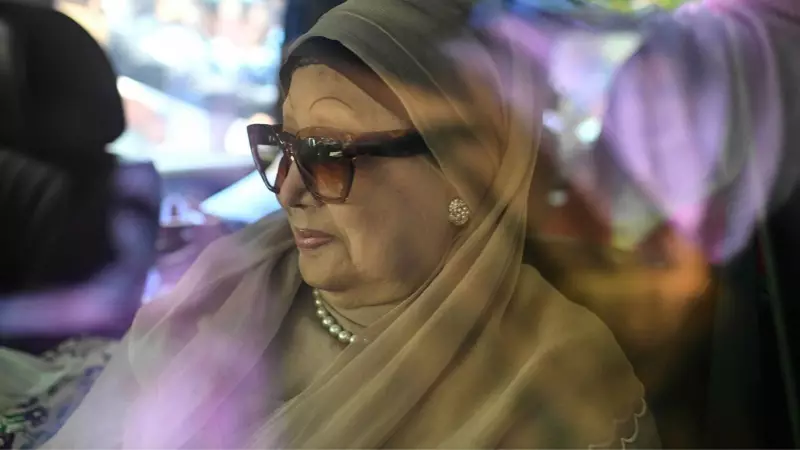
Today, at 78 and suffering from serious health complications, Khaleda Zia remains a potent symbolic figure in Bangladeshi politics, even as she is effectively sidelined from active participation. Her journey from a 15-year-old bride to the highest executive office in the land remains a powerful, complex narrative of personal resilience and political transformation in a challenging democratic environment.
Her story underscores the unpredictable nature of political destiny and the profound impact of personal loss on public life. Khaleda Zia's legacy, contested as it may be, permanently altered the role of women in Bangladeshi politics, proving that the highest offices were no longer an exclusive male domain.