The picturesque Kashmir Valley has been plunged into a deep freeze, with a severe cold wave gripping the region and sending night temperatures plummeting well below the freezing point. Residents are battling harsh conditions as the mercury dips drastically after sunset, disrupting daily life and raising significant concerns.
Mercury Plummets Across Major Stations
The meteorological data paints a stark picture of the chilling situation. On Tuesday night, Srinagar, the summer capital of Jammu and Kashmir, shivered at a low of -4.4 degrees Celsius. This marked a significant drop from the previous night's temperature of -3.5°C. The iconic tourist destination of Gulmarg experienced even more extreme conditions, recording a bone-chilling low of -6.0 degrees Celsius.
The cold was not confined to these locations alone. Qazigund, often considered the gateway to the valley, registered a minimum temperature of -3.8°C. The town of Kokernag saw the mercury fall to -2.6°C, while Kupwara in the north recorded -4.2°C. Pahalgam, another key tourist spot, was not far behind at -4.7°C. Jammu city, in the relatively warmer plains, recorded a minimum of 6.8°C, providing a sharp contrast to the valley's freeze.
Weather Forecast and Widespread Disruption
The local meteorological department has forecast generally dry weather across Jammu and Kashmir over the next few days. However, they have indicated the possibility of very light snow at isolated higher reaches. The primary concern remains the persistent cold wave conditions, especially during the night and early morning hours.
The intense cold has severely disrupted normal life. Key impacts observed across the valley include:
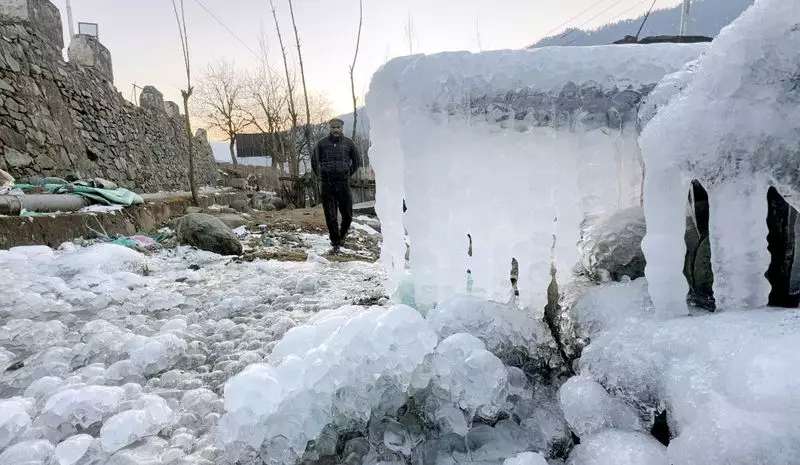
- Frozen water supply lines in numerous areas, causing acute water shortages for households.
- Early morning hours becoming particularly challenging for commuters, students, and vendors due to the biting cold.
- Increased health worries, especially for the elderly, children, and those with respiratory ailments, as the cold wave exacerbates health risks.
- Potential impact on horticulture, a vital sector for the region's economy, if the sub-zero temperatures persist.
Coping with the Chill and Looking Ahead
In response to the harsh weather, people across the valley have been forced to adopt various measures to keep warm. The use of traditional heating methods like kangris (fire pots) and hamams (central heating) has intensified. Heavy woolen clothing, including the iconic pheran, has become essential wear. Many are confining their outdoor movements to the absolute necessities, particularly during the early mornings and late evenings.
The continuation of this cold spell, characterized by clear nights and dry weather, is leading to increased radiative cooling, where heat escapes rapidly into the atmosphere. This phenomenon is the primary driver behind the sharp drop in night temperatures. While days see some sunshine, it offers little respite from the penetrating cold that sets in as soon as the sun sets.
Authorities and local administrations are monitoring the situation closely, with advisories likely to be issued if the conditions worsen further. The current weather pattern underscores the extreme winter conditions that the Kashmir Valley is prone to, testing the resilience of its inhabitants every year.