

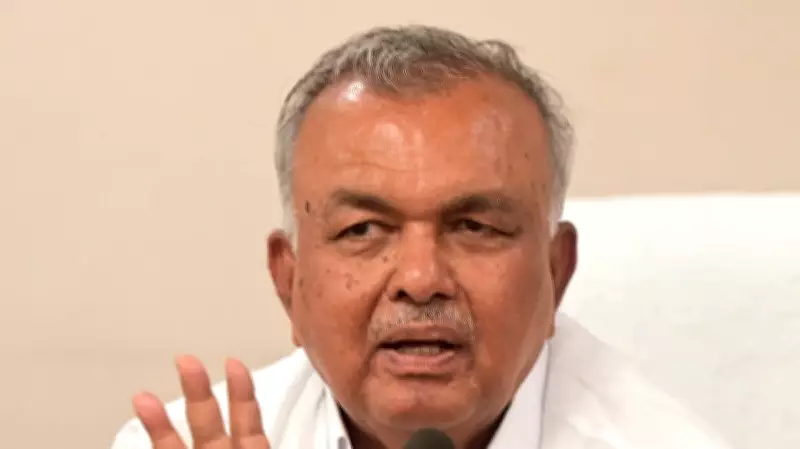
Karnataka Transport Minister Ramalinga Reddy has announced that the state is awaiting 750 electric buses from the central government. This initiative is part of a broader effort to promote sustainable public transportation and reduce carbon emissions across the state.
Details of the Electric Bus Initiative
The minister stated that the central government has assured the supply of these buses under the Faster Adoption and Manufacturing of Hybrid and Electric Vehicles (FAME) scheme. The buses are expected to be deployed in major cities, including Bengaluru, Mysuru, and other urban centers, to enhance the public transport network.
Benefits for Karnataka
Ramalinga Reddy emphasized that the introduction of electric buses will significantly reduce air pollution and operational costs. The state government is also working on establishing the necessary charging infrastructure to support the fleet. He added that this move aligns with Karnataka's commitment to clean energy and sustainable development goals.

- Environmental Impact: The e-buses are expected to cut down greenhouse gas emissions by a substantial margin, contributing to cleaner air in urban areas.
- Economic Efficiency: Electric buses have lower maintenance and fuel costs compared to diesel buses, leading to long-term savings for the state transport corporation.
- Passenger Comfort: Modern e-buses are equipped with advanced features, ensuring a smoother and quieter ride for commuters.
Challenges and Preparations
The minister acknowledged challenges such as the need for robust charging infrastructure and initial capital investment. However, he expressed confidence that the central and state governments will collaborate effectively to overcome these hurdles. The state transport department is currently finalizing routes and operational plans for the new buses.
Karnataka has been at the forefront of adopting electric vehicles in India. With this new fleet, the state aims to set a benchmark for sustainable urban mobility. The minister urged other states to follow suit and leverage central schemes to accelerate the transition to electric mobility.
Once operational, the 750 e-buses are expected to serve millions of passengers daily, significantly reducing the carbon footprint of public transport in Karnataka. The state government is also exploring partnerships with private players to expand the electric bus network further.






