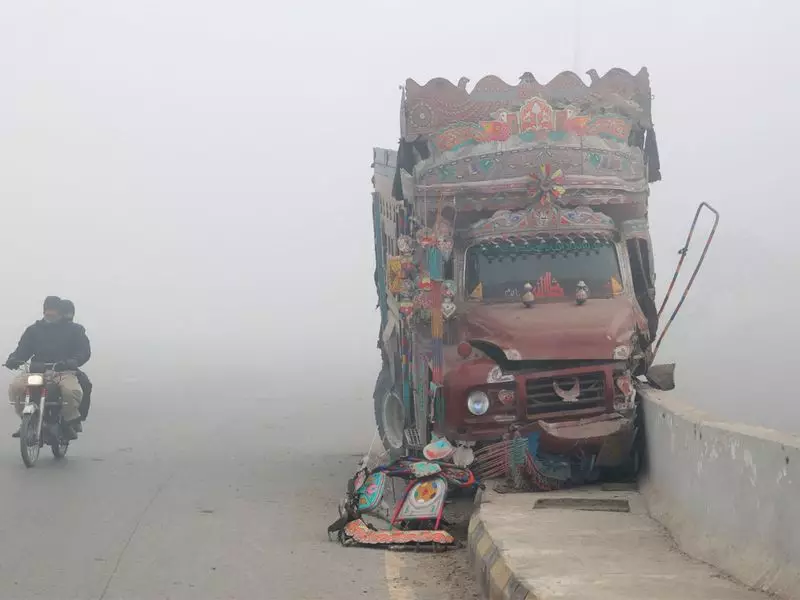
Residents of Karachi, Pakistan's largest and most populous city, are locked in a daily battle for safety and mobility. The city's crumbling road network, combined with what locals describe as weak and ineffective law enforcement, has created a perfect storm of chaos, accidents, and public frustration.
A Cityscape Marred by Craters and Chaos
The situation is particularly dire in the historic Saddar area and other central neighbourhoods. Here, roads have deteriorated into minefields of potholes and deep trenches. These are not minor inconveniences but massive, vehicle-damaging craters that appear with alarming regularity, especially after any rainfall. The problem is compounded by ongoing development projects, like the construction of the Karachi Circular Railway (KCR), which have left behind hazardous, unfinished road sections without proper signage or safety barriers.
Local commuters and business owners report a constant struggle. "We pay our taxes, but what do we get in return?" questioned one frustrated resident, echoing a common sentiment. The poor conditions lead to severe traffic jams, damage to vehicles, and a significant increase in travel time for everyone, from students to professionals.
Law Enforcement: A Missing Link in the Chain
Compounding the physical danger of the roads is a widespread perception of utter failure in traffic law enforcement. Residents and traffic wardens alike point fingers at a lack of accountability and action from senior police officials. Traffic wardens, who are on the front lines, claim their hands are tied. They report issuing fines and challans to violators—especially those driving without number plates or on wrong routes—only to see the tickets cancelled by higher authorities without explanation.
This perceived corruption and impotence in the system have emboldened violators. The result is lawlessness on the streets: rampant wrong-way driving, disregard for traffic signals, and vehicles operating without any identification. This environment makes the already dangerous roads even more lethal for pedestrians and compliant drivers.
Official Responses and Public Skepticism
When confronted with these issues, officials from the Karachi Metropolitan Corporation (KMC) and other development authorities offer familiar excuses. They cite ongoing mega projects like the KCR and sewerage line work as the primary causes for the torn-up roads. Promises of "soon" and "after the monsoon" are met with public skepticism, as similar assurances have been broken in the past.
The communication between various civic agencies appears broken. Often, one department digs up a road for its work and leaves it in a dangerous state for months before another agency arrives to repair the surface. This lack of coordination directly impacts the quality of life and economic activity in the city.
The Human and Economic Toll
The consequences of this twin crisis—bad infrastructure and weak law enforcement—are severe and multifaceted:
- Safety Hazards: The deep potholes and uncovered trenches pose a direct threat of serious accidents, particularly for motorcyclists, who are abundant in Karachi.
- Economic Loss: Constant vehicle repairs strain the finances of daily commuters and transport operators. Traffic gridlocks lead to lost productivity and increased fuel costs.
- Health Risks: Dust from the broken road surfaces and standing water in potholes become breeding grounds for mosquitoes, exacerbating public health concerns.
- Erosion of Trust: The most significant impact may be the further erosion of public trust in civic institutions and the government's ability to perform its most basic duties.
In essence, the state of Karachi's roads is more than a civic issue; it is a stark symbol of administrative neglect. The citizens' demands are clear: immediate and proper repair of the ravaged roads and a traffic policing system that enforces the law without fear or favour. Until these fundamental issues are addressed, the people of Karachi will continue their wearying battle just to navigate their own city.