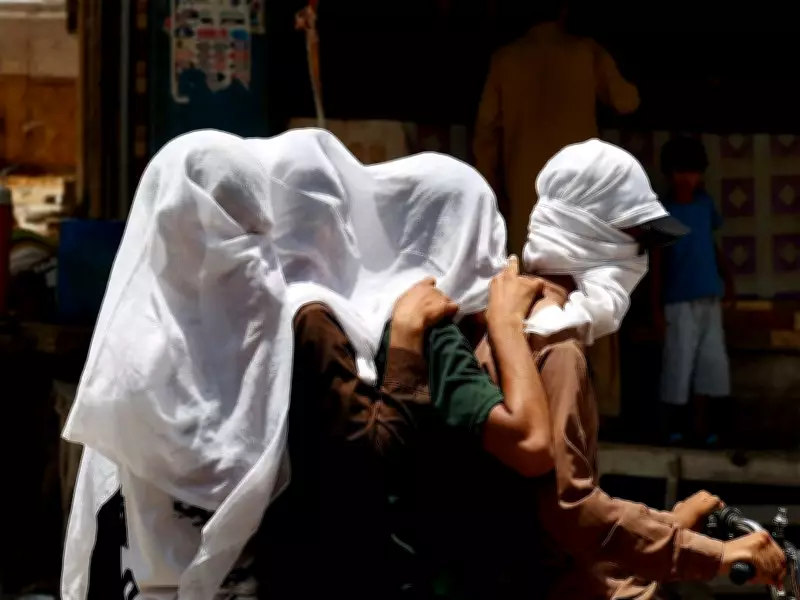
Karachi, Pakistan's largest city, is reeling under an intense heatwave, with temperatures soaring to 46 degrees Celsius. The extreme heat has exacerbated long-standing issues of water scarcity, power outages, and inadequate public services, leaving millions of residents struggling to cope. The crisis has been described as a result of systemic apathy and the collapse of utility infrastructure, which have failed to provide basic amenities during the scorching summer months.
Heatwave Conditions
The Pakistan Meteorological Department has reported that the heatwave is likely to persist for several more days, with temperatures remaining well above the seasonal average. In some parts of the city, the mercury has touched 46°C, making it one of the hottest days in recent years. The combination of high temperatures and humidity has created a dangerous environment, particularly for vulnerable populations such as the elderly, children, and those with pre-existing health conditions.
Water and Power Crisis
The heatwave has exposed the fragility of Karachi's water and power supply systems. Many neighborhoods are experiencing prolonged power outages, lasting up to 12 hours a day, which have rendered air conditioners and fans useless. Water supply has also been severely disrupted, with residents reporting that they receive water only for a few hours every few days. In some areas, people are forced to buy water from private tankers at exorbitant prices, further straining their finances.

The Karachi Water and Sewerage Board has attributed the shortage to a combination of factors, including reduced water flow from the Indus River, technical faults at treatment plants, and theft of water through illegal connections. However, critics argue that decades of neglect and corruption have led to the current crisis.
Health Impacts
Hospitals across the city are reporting a surge in heat-related illnesses, including heatstroke, dehydration, and heat exhaustion. The emergency departments of major hospitals are overwhelmed, with many patients requiring immediate medical attention. The lack of reliable electricity has also affected the storage of vaccines and medicines in clinics, raising concerns about public health.
Health officials have advised residents to stay indoors during the hottest part of the day, drink plenty of water, and avoid strenuous activities. However, for many low-income workers, staying indoors is not an option, as they need to work to earn a living.
Government Response
The Sindh government has announced the establishment of heatstroke centers in various parts of the city and has urged residents to use them. However, the response has been criticized as insufficient and poorly coordinated. Opposition parties have accused the ruling Pakistan Tehreek-e-Insaf (PTI) of failing to address the crisis, while the government blames the previous administrations for the deterioration of infrastructure.
In the meantime, residents are taking matters into their own hands, forming community groups to share water and electricity resources. Some have resorted to using generators and solar panels, but these are beyond the reach of most people.
Looking Ahead
The heatwave in Karachi is a stark reminder of the challenges posed by climate change and the need for urgent investment in resilient infrastructure. As temperatures are expected to rise further in the coming years, experts warn that without significant improvements in water and power supply, the city will face more frequent and severe crises. For now, the people of Karachi are left to endure the heat, hoping for relief that seems unlikely to come soon.