Life for ordinary Afghans in the capital city of Kabul has become a daily test of patience and endurance, as a crippling combination of severe traffic gridlock and a dramatic shortage of public transport buses brings the city to a near standstill. Commuters are forced to spend hours trapped in endless queues of vehicles, while the scarcity of buses has led to overcrowding and a sharp increase in travel costs, adding immense pressure to households already struggling under a severe economic crisis.
A Perfect Storm of Congestion and Shortage
The crisis stems from a confluence of factors that have overwhelmed Kabul's rudimentary urban infrastructure. A primary cause is the significant reduction in the number of public buses operating on city routes. Officials from the municipality's transport department have confirmed that out of a fleet that once numbered over 800 buses, only around 400 are currently functional. The rest have been rendered inoperative due to a lack of spare parts, worn-out conditions, and the inability to perform necessary repairs.
This drastic halving of public transport capacity has forced hundreds of thousands of daily commuters to seek alternative means. Many have turned to private vehicles, including a surge in the use of motorcycles and rickshaws, which has exponentially increased the number of vehicles on roads never designed for such volume. The result is predictable: major arteries and intersections across Kabul, from the city center to outlying districts, are paralyzed for large parts of the day.
The Human Cost: Lost Hours and Rising Expenses
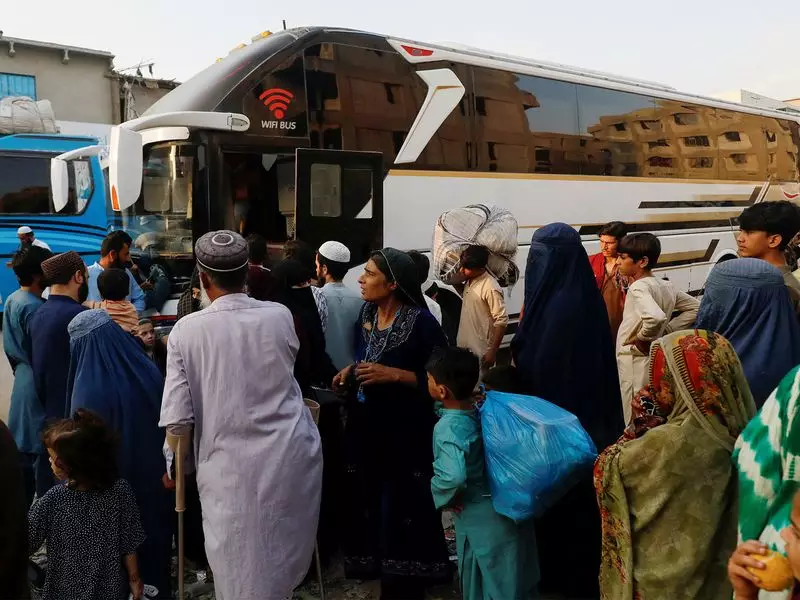
The impact on Kabul's residents is severe and multifaceted. For those reliant on the few remaining buses, the experience is one of extreme hardship. Buses are so overcrowded that passengers are often seen clinging to doors and windows, risking their safety for a chance to reach their destination. The situation is particularly dire for government employees, students, and daily wage workers for whom punctuality is crucial.
"What used to be a 30-minute journey now takes two to three hours," reported a frustrated commuter, echoing a sentiment heard across the city. The alternative—using private taxis or rickshaws—is financially crippling. Travel costs have skyrocketed, with fares sometimes doubling or tripling Beyond the immediate lack of buses, deeper systemic issues fuel the chaos. Traffic management is widely described as ineffective, with a lack of modern signaling, enforcement, and planning. The influx of internally displaced people into Kabul has also increased the city's population and demand for mobility, without a corresponding expansion in infrastructure or services. Municipal authorities acknowledge the problem but point to formidable challenges. The economic sanctions and freezing of international assets have made it nearly impossible to import the necessary spare parts, tires, and machinery needed to rehabilitate the bus fleet. This financial stranglehold has stalled any meaningful repair program, leaving the bus fleet to deteriorate further. While there is talk of initiatives to repair some buses locally and improve traffic flow, no large-scale, immediate solution is in sight. For now, the people of Kabul are left to navigate a daily urban ordeal. The traffic congestion and transport shortage are more than an inconvenience; they are a stark indicator of the broader economic and infrastructural collapse affecting Afghanistan, directly diminishing the quality of life, hampering economic activity, and adding another layer of struggle to survival in the capital.Systemic Failures and a Search for Solutions