Japan's Lingering Disaster Anxiety: Survey Reveals Persistent Fears 13 Years After 2011 Catastrophe
More than a decade after one of the most devastating natural disasters in modern history, the people of Japan continue to live under the shadow of potential recurrence. A comprehensive national survey conducted by the Japanese Red Cross Society has uncovered profound and widespread concerns about future calamities, revealing that collective trauma from the 2011 Great East Japan Earthquake remains deeply embedded in the national psyche.
The Unforgettable Catastrophe That Reshaped Japan
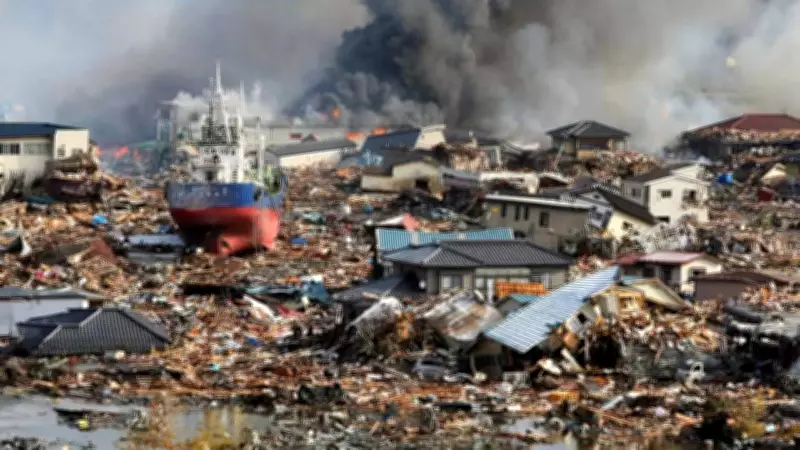
On March 11, 2011, a colossal 9.0 magnitude earthquake struck off the northeastern coast of Japan, unleashing a monstrous tsunami that devastated coastal communities across the Tohoku region. This dual disaster caused unprecedented destruction in Iwate, Miyagi, and Fukushima prefectures, resulting in nearly 20,000 confirmed deaths and missing persons while displacing hundreds of thousands from their homes.
The tsunami waves reached extraordinary heights in certain areas, completely obliterating towns, infrastructure, and livelihoods. The catastrophe triggered a nuclear accident at the Fukushima Daiichi power plant, creating enduring environmental, social, and economic challenges that continue to affect Japan today. According to UNESCO's Intergovernmental Oceanographic Commission, the 2011 disaster stands as one of modern history's most significant reminders of coastal communities' vulnerability to seismic and tsunami threats.

Survey Exposes Widespread Apprehension About Future Disasters
In preparation for the 15th anniversary of the 2011 tragedy, the Japanese Red Cross Society conducted an extensive national survey involving 1,200 respondents aged ten and above. The findings are both revealing and alarming: 80.3% of participants believe a disaster of similar magnitude could occur again in the near future. This overwhelming percentage reflects Japan's geographical reality as part of the Pacific Ring of Fire, a volatile zone prone to frequent seismic activity where scientists have long warned about the inevitability of major earthquakes.
The Critical Preparedness Gap: Awareness Without Action
Despite this heightened awareness, the survey uncovered a troubling disconnect between recognition of risk and practical preparation. Nearly 70% of respondents confessed they haven't taken adequate measures to prepare for large-scale disasters. This preparation gap encompasses essential emergency supplies, evacuation plans, and disaster response skills that could prove lifesaving during actual emergencies.
This phenomenon isn't unique to Japan. Disaster preparedness experts worldwide note that people often underestimate how quickly disasters can strike or mistakenly believe they'll have sufficient time to react. Earthquakes and tsunamis particularly defy such assumptions, frequently occurring with minimal or no warning, making advance preparation absolutely critical.
The Vital Importance of Remembering Past Disasters
The survey highlighted another crucial dimension: over 80% of respondents emphasized that lessons from the 2011 earthquake must not be forgotten in disaster preparedness discussions. This underscores the importance of public awareness campaigns, memorial services, and intergenerational education about historical calamities.
With younger generations potentially lacking direct memory of the 2011 events, Japan has invested significantly in disaster education through school programs, community drills, and public information initiatives designed to minimize earthquake impacts. These efforts aim to transform collective memory into practical resilience.
Living With Nature's Unpredictable Power
Japan's experience with earthquakes and tsunamis has fostered a culture that values resilience and preparedness. However, this survey demonstrates that maintaining such readiness requires continuous, sustained effort rather than being a permanent state. While predicting natural disasters remains scientifically challenging, their effects can be substantially mitigated through comprehensive planning, infrastructure development, and public awareness.

Fifteen years after the Great East Japan Earthquake, memories of that fateful day serve as powerful reminders of both human vulnerability and strength. For many Japanese citizens, the message is clear: while preventing the next major disaster may be impossible, being thoroughly prepared for it could make all the difference in survival and recovery.
The Japanese Red Cross Society's survey ultimately reveals a nation grappling with the psychological aftermath of catastrophe while striving to build a more resilient future. As Japan continues its recovery journey, these findings highlight the ongoing need for enhanced preparedness measures, sustained public education, and collective commitment to transforming traumatic memory into practical disaster readiness.