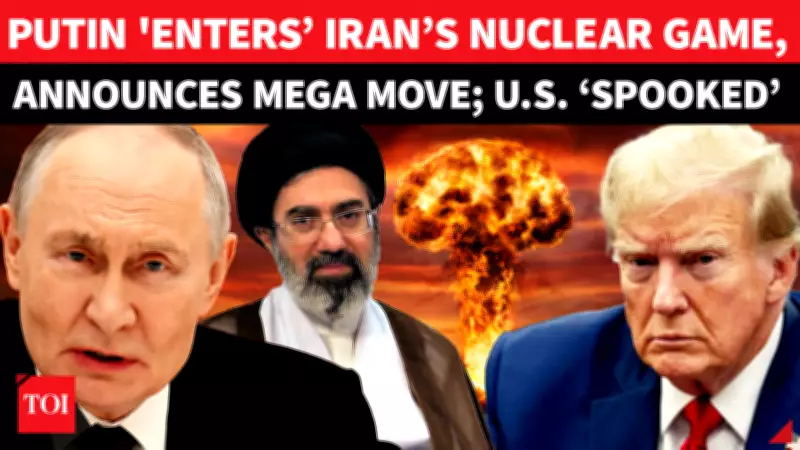
Explosive new claims are shaking Middle East diplomacy as reports suggest Iran is willing to hand over its highly enriched uranium stockpile to Russia instead of the United States. According to Saudi broadcaster Al Hadath, the proposal was included in Tehran’s latest peace offer sent to Washington through Pakistani mediators. The alleged plan would freeze Iran’s nuclear program for an extended period without fully dismantling it.
Details of the Alleged Proposal
The report indicates that Iran's offer aims to bypass the United States in nuclear negotiations by transferring its enriched uranium to Russia. This move could potentially undermine ongoing US-led diplomatic efforts and alter the balance of power in the region. The plan reportedly includes a freeze on Iran’s nuclear activities for a significant duration, though it stops short of complete dismantlement. This approach may allow Iran to retain some nuclear infrastructure while addressing international concerns about its program.
Context of Rising Tensions
The report comes amid heightened tensions following the recent US-Israel-Iran conflict and growing disagreements over Tehran’s nuclear future. The United States has been pushing for a comprehensive deal that ensures Iran cannot develop nuclear weapons, while Iran seeks relief from sanctions and recognition of its right to peaceful nuclear energy. The alleged proposal to involve Russia as a custodian of enriched uranium adds a new dimension to these negotiations.

International Reactions
International reactions to the report have been mixed. Some analysts view it as a strategic move by Iran to divide the US and its allies, while others see it as a genuine attempt to break the diplomatic stalemate. The involvement of Pakistani mediators highlights the complex web of diplomatic channels being used. Meanwhile, Saudi Arabia and other Gulf states are closely monitoring the situation, as any nuclear deal with Iran has direct implications for regional security.
Implications for US-Iran Relations
The report suggests that Iran is unwilling to fully trust the United States, opting instead to work with Russia, which has been a key ally in the negotiations. This could complicate President Trump’s efforts to secure a new nuclear deal, especially after his recent diplomatic engagements with China and other powers. The clock is ticking, as the US has warned of consequences if no agreement is reached soon.
What’s Next?
As the situation develops, all eyes are on the next steps from Washington, Moscow, and Tehran. The alleged proposal, if confirmed, could reshape the nuclear landscape in the Middle East and beyond. For now, the report remains unverified, but it has already sparked intense debate among policymakers and experts.