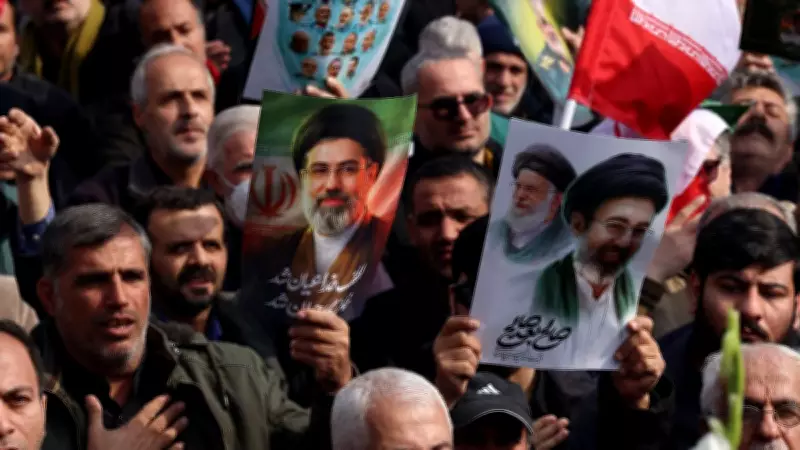
Iran has declared that the ball is now in the United States' court, following reports that President Donald Trump is leaning toward rejecting a recent peace proposal. The development marks a critical juncture in the ongoing tensions between the two nations, with both sides signaling a potential shift from diplomacy to confrontation.
Iran's Stance: Ready for War or Talks
Iranian Foreign Ministry spokesman Saeed Khatibzadeh stated on Monday that Tehran remains open to both war and negotiations, but emphasized that the next move must come from Washington. "We have put forward a constructive proposal for peace, but it appears the US administration is not serious about engaging in good faith," Khatibzadeh said during a press briefing in Tehran. He added that Iran is fully prepared for any scenario, including military conflict, but prefers a diplomatic resolution.
Trump's Hints at Rejection
President Trump, speaking to reporters at the White House on Sunday, appeared to dismiss the Iranian peace plan, calling it "insufficient" and "lacking concrete commitments." While he did not explicitly reject the proposal, his remarks suggested a hardening stance toward Tehran. "We will see what happens, but we are not looking for a weak deal," Trump said. The comments have fueled speculation that the US may escalate economic sanctions or even consider military action.

Background of the Proposal
The peace proposal, reportedly brokered by Oman and Switzerland, includes a framework for de-escalation in the Persian Gulf and a roadmap for renewed nuclear negotiations. Iran has agreed to limit its uranium enrichment activities in exchange for relief from sanctions. However, US officials have expressed skepticism about Iran's compliance and have demanded broader concessions, including an end to ballistic missile development and support for regional proxies.
International Reactions
The European Union and the United Nations have urged both sides to exercise restraint and return to the negotiating table. EU foreign policy chief Josep Borrell called on the US to seriously consider Iran's proposal, warning that a failure to engage could lead to a "dangerous escalation." Meanwhile, Russia and China have voiced support for Iran's position, accusing the US of undermining diplomatic efforts.
Military Posturing
Both nations have continued military preparations. The US Navy has maintained a carrier strike group in the Arabian Sea, while Iran has conducted missile drills and showcased new drone capabilities. Analysts warn that any miscalculation could trigger a broader conflict with devastating consequences for the region.
As tensions mount, the international community watches closely to see whether Washington will take the diplomatic route or resort to more aggressive measures. For now, as Iran says, the ball remains firmly in the US court.