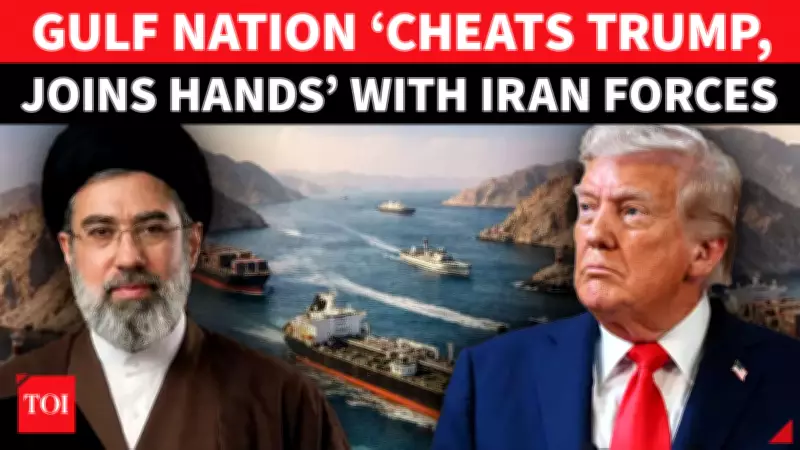
Iran on Monday announced that it is closely working with Oman, a U.S. ally, to develop a new mechanism governing transit through the Strait of Hormuz amid escalating regional tensions and growing pressure from the United States and Israel. Iranian Foreign Ministry spokesman Esmaeil Baghaei described the strategic waterway as a vital global maritime corridor and stressed that Tehran remains committed to ensuring safe and secure navigation through the strait. However, Iran also defended its recent security measures as a legitimate response to what it calls acts of aggression and violations of international law.
Background of the Tensions
The remarks come after Tehran tightened controls in the Strait of Hormuz following renewed U.S. pressure and a blockade targeting Iranian vessels and ports. Iranian and Omani officials have reportedly held ongoing consultations, including expert-level talks in Muscat, to coordinate future transit arrangements. The strait is a critical chokepoint for global oil shipments, and any disruption could have severe economic consequences worldwide.
Regional Dynamics
Oman has historically maintained neutral and diplomatic ties with both Iran and Western nations. This collaboration underscores a shift in regional alignments as Gulf nations navigate between U.S. security guarantees and Iranian military capabilities. The new mechanism aims to balance freedom of navigation with Iran's security concerns, potentially reducing the risk of confrontation.

The development comes as the United States and Israel have increased pressure on Iran over its nuclear program and regional activities. Iran's cooperation with Oman may serve to counterbalance this pressure and ensure its strategic interests in the Persian Gulf. Analysts view this as a pragmatic move by Oman to avoid being caught in the crossfire between major powers.
Both nations have emphasized the importance of international law and diplomatic solutions. The expert-level talks in Muscat are expected to continue, with the goal of finalizing a transit framework that could be presented to other Gulf states and international stakeholders.