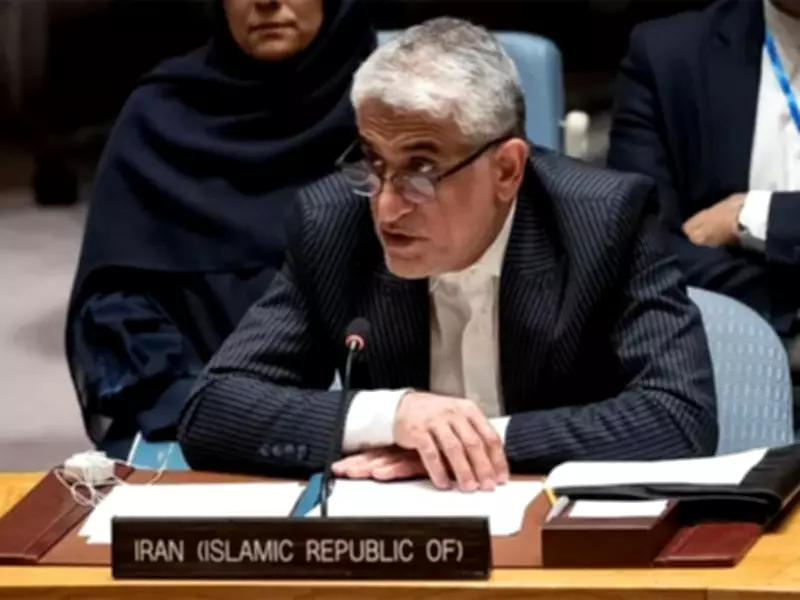
Iran's ambassador to the United Nations has accused Arab nations of being complicit in acts of aggression by allowing the United States and Israel to establish military bases on their soil. The envoy made the remarks during a session of the UN General Assembly, where he highlighted the growing military presence of foreign powers in the region.
Iran's Stance on Foreign Military Presence
The Iranian diplomat stated that the presence of US and Israeli bases in Arab countries constitutes a direct threat to regional peace and security. He argued that these bases are used to launch operations and conduct surveillance against Iran, violating international law and the sovereignty of nations. The envoy called on Arab governments to reconsider their alliances and prioritize the interests of the region over external pressures.
Regional Reactions and Implications
The accusation comes amid heightened tensions between Iran and several Arab states, particularly those that have normalized relations with Israel through the Abraham Accords. Iran has consistently opposed any foreign military intervention in the Middle East and has warned against the militarization of the region. The envoy's statements are likely to further strain diplomatic relations between Iran and its Arab neighbors.

Some analysts view this as part of Iran's broader strategy to isolate the United States and Israel diplomatically while rallying support from other nations. The Iranian government has also been strengthening its own military capabilities and forming alliances with non-state actors in the region.
International Response
The United Nations has yet to officially respond to the envoy's statements, but the issue is expected to be discussed in upcoming Security Council meetings. Several member states have expressed concern over the escalating rhetoric and the potential for further destabilization in the Middle East.
Meanwhile, the United States and Israel have defended their military presence in the region, citing the need to counter Iranian aggression and protect their allies. The ongoing tensions underscore the complex geopolitical dynamics that continue to shape the Middle East.