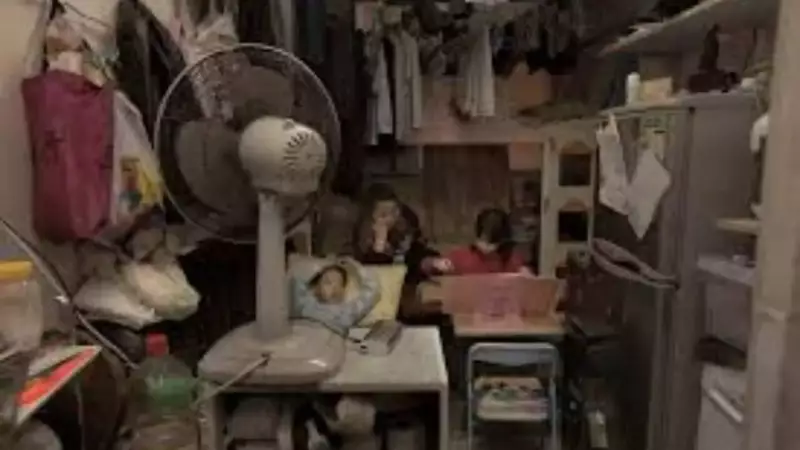
Behind Hong Kong's glittering skyline of towering skyscrapers and bustling streets lies a hidden reality that contrasts sharply with the city's prosperous image. The metropolis, known for its economic vitality and luxury shopping, conceals a distressing secret within its older buildings: coffin homes that have become symbolic of the city's severe housing shortage.
What Exactly Are Coffin Homes?
Known variously as "coffin homes," "cage homes," or "bedspace apartments," these are sub-divided units within older residential buildings that represent one of the most extreme forms of urban housing poverty. These cramped dwellings typically measure between 2 to 5 square meters—smaller than many prison cells and barely large enough to accommodate a single bed and minimal personal belongings.
The most distressing versions feature metal cages surrounding sleeping areas, offering residents virtually no privacy or proper ventilation. These spaces have emerged as a desperate solution for those needing affordable accommodation in one of the world's most expensive cities, where soaring land values and limited affordable housing options have created an unprecedented crisis.

Who Lives in These Cramped Conditions?
The residents of coffin homes represent Hong Kong's most vulnerable populations. More than 200,000 individuals currently endure these conditions, primarily consisting of elderly citizens, migrant workers, and low-income earners who cannot access conventional housing options.
Most residents work extended shifts in the service sector or other low-wage industries, yet still find themselves unable to afford proper housing. The combination of Hong Kong's high cost of living and insufficient public housing availability forces these individuals into living situations that compromise their basic dignity and wellbeing.
Daily Life and Health Consequences
Living in a coffin home presents numerous physical and psychological challenges. The extreme spatial limitations allow little room for movement or storage of personal items. Shared facilities like bathrooms and kitchens become overcrowded and often suffer from poor maintenance, creating unsanitary conditions.
The absence of windows and proper ventilation leads to stuffy, uncomfortable environments that pose significant health risks. Residents frequently develop respiratory problems due to poor air quality and lack of sunlight exposure. The psychological toll is equally concerning, with high rates of depression and anxiety stemming from the isolation and constant discomfort.
During the COVID-19 pandemic, these living conditions became particularly dangerous as social distancing measures proved impossible to implement in such confined spaces, exacerbating an already precarious situation.
Government Response and Ongoing Challenges
Hong Kong's government has acknowledged the severity of the housing crisis and taken some steps toward addressing it. New regulations now require subdivided units to meet minimum size requirements and include basic amenities like windows and private toilets.
However, these measures often fail to reach the most extreme coffin homes, which remain poorly regulated. While the government has committed to constructing more public housing units, the supply continues to fall dramatically short of demand, leaving hundreds of thousands trapped in substandard living conditions.
The persistence of coffin homes serves as a stark reminder of the deep inequalities that can exist even in economically prosperous urban centers. As Hong Kong continues to grapple with its housing challenges, finding comprehensive solutions that ensure safe and dignified living conditions for all residents remains an urgent priority.