

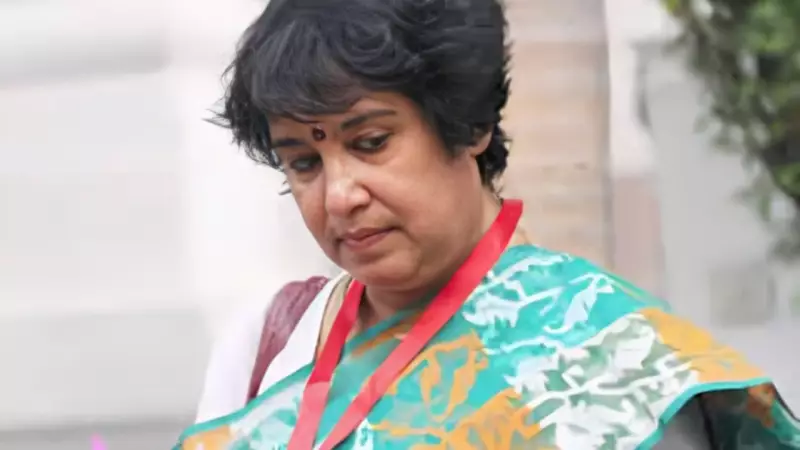
Concerns over minority safety in Bangladesh have intensified following the brutal lynching of a Hindu factory worker, Dipu Chandra Das, in Mymensingh. The incident, which occurred on Thursday night, has drawn sharp criticism from exiled author Taslima Nasrin and forced the interim government to issue a strong condemnation.
A Horrific Mob Attack in Bhaluka
Dipu Chandra Das, a labourer at a garment factory in Mymensingh, was attacked by a mob in Bhaluka upazila. His father, Ravilal Das, provided chilling details, alleging the attackers doused his son with kerosene and set him on fire. "They left his burnt body outside. It was horrifying," he told the media. Reports indicate Dipu's body was tied to a tree before being set ablaze.
The brutality was compounded by onlookers who recorded videos and took photographs of the burnt remains, actions that have sparked widespread condemnation. The father stated he first learned of his son's death through social media, adding, "No one from the govt has given us any assurance. No one said anything."

Taslima Nasrin Questions Police Role
Exiled writer Taslima Nasrin, known for her stance against radicalisation, amplified the case by sharing a video of the victim with police. In her social media post, she raised a critical question: whether law enforcement had handed over the Hindu worker to the killer mob, suggesting possible infiltration by extremist elements.
Nasrin outlined the sequence of events, stating Dipu was falsely accused of blasphemy by a Muslim co-worker after a dispute. "Dipu, a poor labourer, was targeted after a dispute with a Muslim co-worker, who publicly accused him of making derogatory remarks about the Prophet, triggering mob violence," she wrote. She claimed police initially took Dipu into custody for protection but later abandoned him, failing to ensure his safety. Dipu had consistently denied the allegations, calling them a fabrication to settle scores.
Government Response and Arrests
Facing national and international scrutiny, the Mohammad Yunus-led interim government stated it "wholeheartedly condemned" the lynching. "There is no space for such violence in new Bangladesh. The perpetrators of this heinous crime will not be spared," the government asserted.
Following the order, the Rapid Action Battalion (RAB) has arrested ten individuals in connection with the murder. According to the chief adviser’s press wing, those arrested include Md Limon Sarker (19), Md Tarek Hossain (19), Md Manik Mia (20), Ershad Ali (39), Nijum Uddin (20), Alamgir Hossain (38) and Md Miraj Hossain Akon (46). RAB-14 personnel arrested them during operations across the district.
Impact on a Vulnerable Family
Highlighting the human cost, Taslima Nasrin pointed out that Dipu was the sole breadwinner for his family. His household included his disabled father, mother, wife, and child, who are now left without support and grappling with immense tragedy. This detail underscores the profound socio-economic impact of such targeted violence on minority communities.
The case has become a flashpoint in the ongoing debate about the protection of minorities and the rule of law in Bangladesh, testing the promises of the interim administration.






