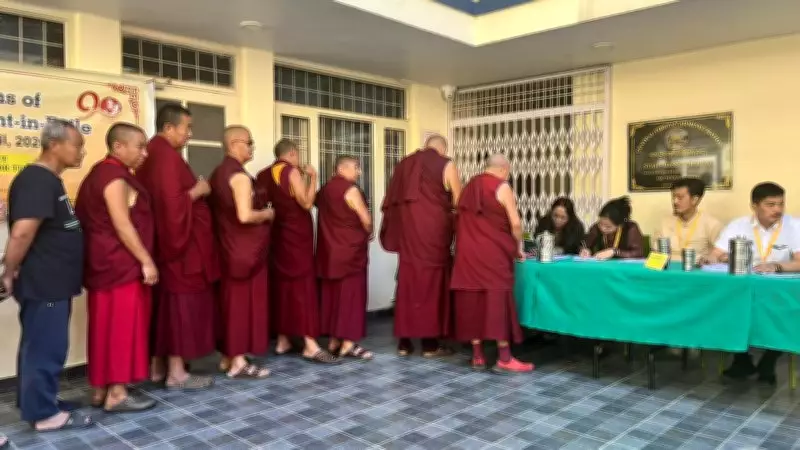
Tibetans living in exile in Himachal Pradesh participated in the Tibetan exile elections, casting their votes to reaffirm their commitment to the struggle for freedom. The polling was held at various locations across the state, including Dharamshala, the seat of the Tibetan government-in-exile.
Voter Turnout and Enthusiasm
Voter turnout was high, with many Tibetans expressing their determination to keep the issue of Tibetan independence alive. Long queues were seen outside polling stations as voters waited patiently to exercise their franchise. The election is seen as a way to maintain unity and solidarity among the Tibetan community in exile.
Significance of the Exile Election
The Tibetan exile election is not recognized by China, which claims Tibet as an integral part of its territory. However, for the Tibetan diaspora, it is a crucial exercise in democracy and a means to voice their aspirations. The elected representatives serve as the voice of the Tibetan people in exile, advocating for their rights and the cause of freedom.

Historical Context
Tibetans have been living in exile since the 1950s, following the Chinese takeover of Tibet. The Dalai Lama, Tibet's spiritual leader, fled to India in 1959 and established the government-in-exile in Dharamshala. Since then, elections have been held periodically to elect the leaders of this government.
Challenges and Hopes
Despite the challenges of exile, including limited resources and political uncertainty, the Tibetan community remains resilient. The election process is a testament to their enduring spirit and hope for a free Tibet. Many voters expressed that casting their ballot is a way to honor the sacrifices of their ancestors and keep the dream of independence alive.
The results of the election are expected to be announced soon, and they will shape the future direction of the Tibetan exile movement.