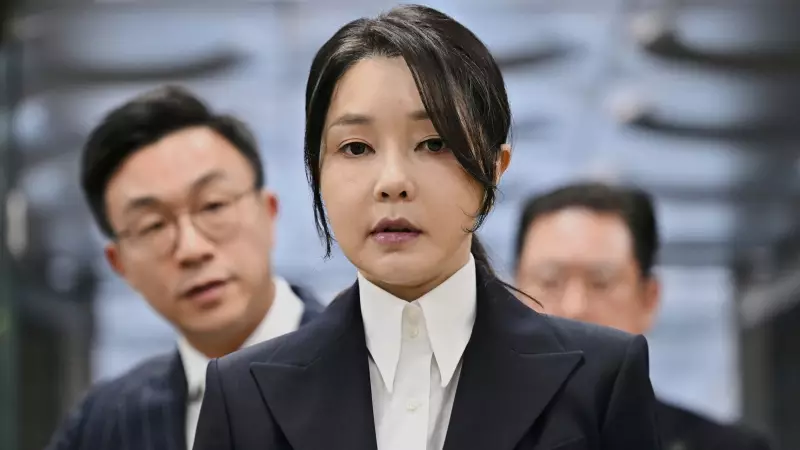
South Korea's Former First Lady Receives Prison Sentence in High-Profile Corruption Case
In a significant legal development, Kim Jung-sook, the former first lady of South Korea, has been sentenced to prison following her conviction on multiple corruption charges. The verdict marks a notable moment in the country's ongoing efforts to combat political corruption and uphold judicial integrity.
Details of the Corruption Charges and Trial
The case centered on allegations that Kim Jung-sook, who served as the first lady during her husband's presidency, engaged in illicit activities involving state funds and illegal donations. Prosecutors presented evidence suggesting she misappropriated public resources for personal gain, violating South Korea's stringent anti-corruption laws. The trial, which garnered widespread media attention, highlighted the scrutiny faced by public figures in the nation's political landscape.
Key aspects of the charges included:
- Misuse of state funds allocated for official purposes
- Acceptance of illegal donations from private entities
- Alleged involvement in schemes to circumvent financial regulations
Legal Proceedings and Sentencing Outcome
During the court proceedings, the defense argued for leniency, citing Kim Jung-sook's previous public service and lack of prior convictions. However, the judge emphasized the severity of the offenses, noting that corruption undermines public trust and democratic institutions. The sentence reflects South Korea's firm stance against graft, especially among high-ranking officials and their associates.
The sentencing has sparked discussions about accountability and transparency in governance, with many observers viewing it as a step toward reinforcing ethical standards in politics.
Broader Implications for South Korean Politics
This case is part of a larger trend in South Korea, where several former presidents and their families have faced legal actions for corruption. It underscores the country's commitment to judicial independence and anti-corruption measures, which have been strengthened in recent years through legislative reforms. The outcome may influence public perception and future political campaigns, as voters increasingly demand integrity from their leaders.
Analysts suggest that such high-profile convictions serve as a deterrent, signaling that no one is above the law, regardless of their status or connections. This aligns with South Korea's broader efforts to enhance governance and reduce illicit practices in public office.