China has made a strong statement about its control over the Shaksgam Valley. The government in Beijing reaffirmed its territorial claims to this area. This action directly challenges India's position on the valley.
China's Firm Stance on Shaksgam Valley
Beijing officials declared the Shaksgam Valley as part of Chinese territory. They emphasized this point in recent diplomatic communications. The Chinese government stated it holds indisputable sovereignty over the region.
Rejection of Indian Claims
China explicitly rejected India's assertions regarding the Shaksgam Valley. Indian authorities have long claimed the area as part of their territory. Beijing dismissed these claims as having no legal or historical basis.

The Chinese Foreign Ministry issued a statement on this matter. They described India's position as "unfounded and unacceptable." This language marks a clear escalation in the diplomatic dispute.
Historical Context of the Dispute
The Shaksgam Valley dispute has deep historical roots. China ceded the area to Pakistan in 1963 through a boundary agreement. India has consistently opposed this transfer, considering it illegal.
Key points in the historical timeline include:
- The 1963 Sino-Pakistan Boundary Agreement transferred Shaksgam Valley to Pakistan
- India protested this agreement immediately
- The valley remains a point of contention in India-China relations
Current Diplomatic Implications
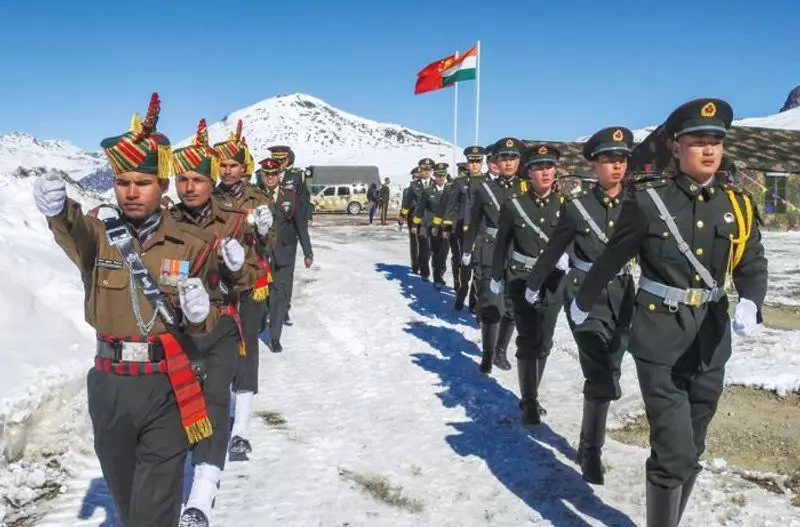
This reaffirmation comes amid ongoing border tensions between China and India. Both nations have experienced military standoffs in recent years. The Shaksgam Valley issue adds another layer to these complex relations.
China's statement serves multiple purposes:
- It reinforces Beijing's territorial claims in the region
- It challenges India's position on the boundary dispute
- It signals China's determination to protect its perceived interests
Regional Security Concerns
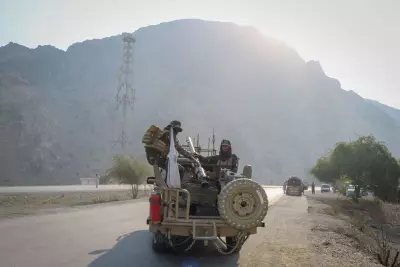
The Shaksgam Valley holds strategic importance in the Himalayan region. Its location affects security dynamics for multiple countries. China's reaffirmation of control raises concerns about regional stability.
Neighboring countries are watching these developments closely. The situation could influence broader geopolitical alignments in South Asia. All parties recognize the potential for escalation if not managed carefully.
China maintains that its position on the Shaksgam Valley reflects historical facts. Beijing argues that proper boundary agreements support its claims. The government insists it will protect its territorial integrity through all necessary means.
This latest development ensures the Shaksgam Valley remains a focal point in India-China relations. Both nations face the challenge of managing their differences while avoiding conflict. The international community continues to monitor this sensitive border issue.