

The annual Shangri-La Dialogue in Singapore serves as Asia's counterpart to the Munich Security Conference, drawing military and political elites from around the world. Last year's event occurred shortly after Operation Sindoor, which proved to be a public relations setback for India. During the dialogue, an aggressive reporter from Bloomberg questioned Chief of Defence Staff General Anil Chauhan about whether India had lost any Rafale fighter jets during the four-day war, as claimed by Pakistan.
BrahMos: A Symbol of India's Hard Power
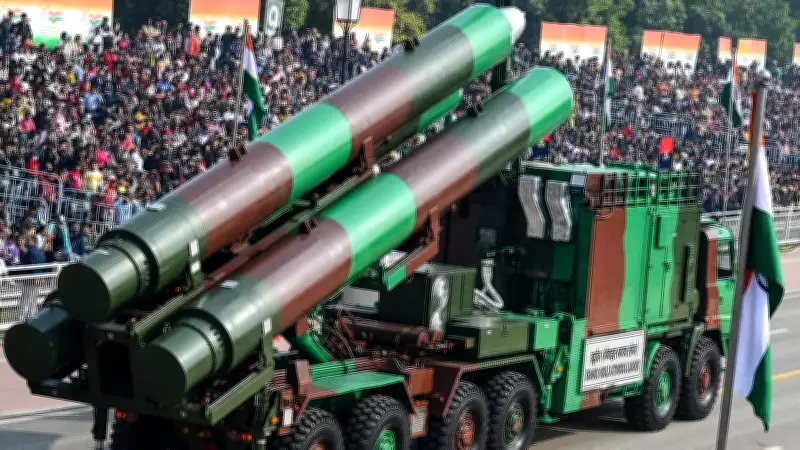
Amid such challenges, the BrahMos supersonic cruise missile system stands out as a powerful emblem of India's military capabilities. Developed jointly by India and Russia, BrahMos is known for its speed, precision, and versatility, capable of being launched from land, sea, air, and submarines. It has become a cornerstone of India's defense strategy, projecting strength across the Asian region.
Strategic Implications
The deployment of BrahMos enhances India's deterrence posture, particularly in the Indian Ocean and along its borders. Its ability to strike targets with high accuracy at supersonic speeds makes it a formidable asset. As India continues to modernize its armed forces, systems like BrahMos underscore its commitment to maintaining regional stability and countering potential threats.

In diplomatic forums like the Shangri-La Dialogue, India's hard power projection through such advanced weaponry reinforces its position as a key security player in Asia. The BrahMos missile not only represents technological prowess but also serves as a tool for strategic messaging, signaling India's readiness to defend its interests.






