Bangladesh's Young Revolutionaries Struggle to Transition from Protest to Power
Over a year ago, the young faces of Bangladesh's 2024 uprising were celebrated as the generation that brought down a prime minister. Today, many of these activists are confronting a harsher reality, discovering that turning revolution into governance is far tougher than leading a protest.
The Rise and Challenges of the National Citizen Party
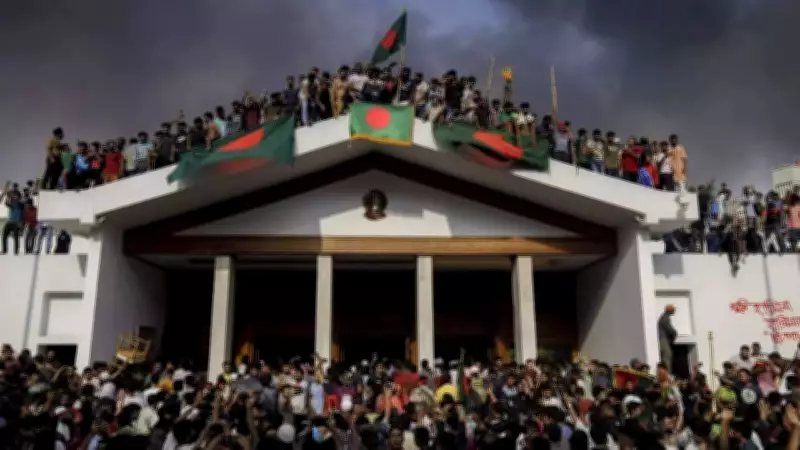
The student-led National Citizen Party (NCP) emerged from a mass movement that forced Sheikh Hasina from power after a deadly crackdown. Sparked by anger over civil service job quotas and fueled by outrage at police violence, the uprising spread rapidly across Dhaka and beyond. According to the United Nations, up to 1,400 people were killed, most in the security crackdown ordered by Hasina. The movement was hailed globally as a rare, successful Gen Z revolt.
However, as national elections approach in February, the NCP is struggling to translate its moral authority into electoral strength. Opinion polls place the party at around six percent support, significantly behind established political players. Internal fractures, scarce resources, and limited grassroots networks have exposed how thin the party's organisational base remains.

Disappointment and Personal Sacrifices
For many young leaders, the shift from agitation to administration has been disorienting. Some held advisory roles in the interim government that followed Hasina's exit, hoping to shape what one activist described as a "beautiful Bangladesh based on peace, equality, justice, and fairness." Instead, disappointment has set in.
Rahat Hossain, 24, whose attempt to drag a wounded friend to safety during the crackdown went viral, expressed that the promise of the uprising feels unfulfilled. His friend, Emam Hasan Taim Bhuiyan, was shot and later died in hospital, with Hossain himself injured. For many like him, the revolution was deeply personal, making political compromise feel jarring.
Strategic Alliances and Internal Tensions
The NCP's decision to form an alliance with Jamaat-e-Islami has intensified internal tensions. Party officials argue the partnership is pragmatic, aimed at leveraging Jamaat's grassroots strength. Asif Mahmud, chairman of the NCP's Election Committee, acknowledged the uphill battle, stating, "We were hoping to do a lot better," while insisting the alliance is strategic, not ideological.
Yet, this move has alienated several prominent women in the party. Of the candidates Jamaat is allowing the NCP to field, only two are women, prompting resignations from senior female leaders who called it a "moral red line." Critics within the movement argue that the gender imbalance betrays the inclusive spirit of the protests, where women played a central role.
Electoral Landscape and Economic Concerns
Simultaneously, the ban on Hasina's Awami League has reshaped the electoral field. The Bangladesh Nationalist Party is leading in polls and presenting itself as a liberal democratic alternative, while Jamaat has gained momentum, particularly among younger voters who do not see its 1971 legacy as decisive. With established parties filling the vacuum, the NCP risks being squeezed out.
Business leaders and international partners are watching closely. Bangladesh's garment industry, a pillar of the economy, depends on political stability. Uncertainty surrounding the Awami League's exclusion and warnings of unrest add to the fragility of the situation.
The Dilemma of Identity and Relevance
For the young revolutionaries, the dilemma is stark: align too closely with older forces and lose their distinct identity, or stand alone and risk irrelevance. Whether the NCP becomes a durable political force or a fleeting product of upheaval will depend on its ability to build structures, articulate clear positions, and regain the trust of those who once marched behind it. Currently, these factors appear reasonably unattainable, highlighting the immense challenges in transitioning from protest to power.