The political landscape in Bangladesh is becoming increasingly volatile and unpredictable, with growing unrest casting a long shadow over the country's scheduled national polls. According to insights from a prominent local journalist, the situation remains highly fluid, marked by widespread confusion and a series of violent incidents that have rattled various segments of society.
A Nation on Edge: Uncertainty Ahead of Polls
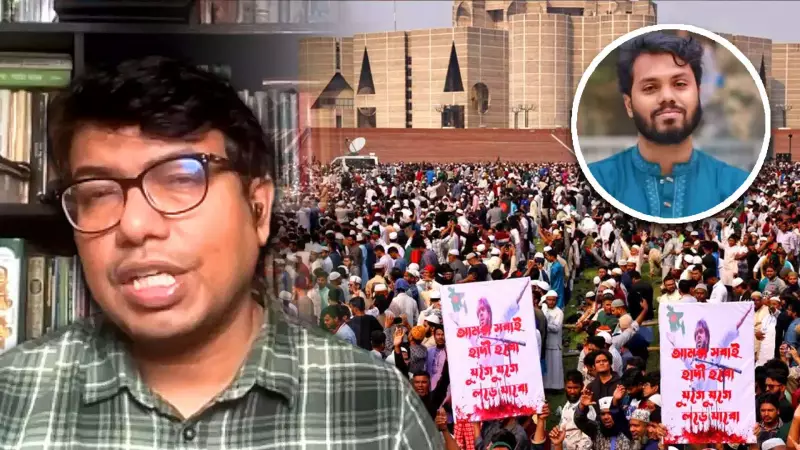
Bangladeshi journalist Muktadir Rashid, commenting on the ongoing turmoil, described a rapidly changing political environment. He emphasized that the nation is gripped by a deep sense of uncertainty. This unrest persists even as the country's Election Commission officially maintains that the next national elections are slated for February 2026. The recent spate of violence has not been contained to political circles alone; it has unsettled multiple sections of the Bangladeshi populace, creating an atmosphere of tension and apprehension.
The Catalysing Event: Death of a Young Leader
A pivotal moment in this escalating crisis, as highlighted by Rashid, was the killing of young political leader Osman Hadi. Rashid described this event as profoundly impactful, one that has deeply shaken Bangladesh's political discourse and has the potential to reshape the country's future trajectory. Osman Hadi had emerged as a significant figure, seen by many as a symbol of potential political change. His untimely death is now viewed as a critical juncture that could significantly influence political alignments and public sentiment in the crucial months leading up to the elections.

Looking Ahead: A Fluid and Unpredictable Future
The assassination has injected a new level of complexity into an already charged environment. Analysts suggest that Hadi's death may act as a catalyst, mobilizing sections of the electorate and potentially redrawing traditional political battle lines. With the February 2026 election date set by authorities, the intervening period is expected to be marked by intense political maneuvering, rallies, and possibly further confrontations. The key question remains whether the institutional framework can manage this volatility and ensure a peaceful democratic process, or if the nation is headed for a period of prolonged instability. The fluidity of the situation, as noted by observers on the ground, means that developments must be watched closely, as they could change the course of the nation's immediate political future.