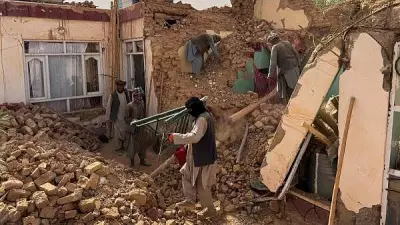
A powerful earthquake measuring 5.2 on the Richter scale struck Bangladesh on Monday, sending shockwaves across the region and triggering widespread panic among residents. The seismic event occurred at a significant depth, making it felt across multiple districts and even reaching neighboring areas.
Details of the Seismic Event
The earthquake epicenter was located in the Bangladesh region, with the tremor occurring at approximately 09:35 local time. According to the European-Mediterranean Seismological Centre (EMSC), the quake originated at a depth of 10 kilometers, which contributed to its widespread impact. The precise coordinates placed the epicenter at 23.92°N longitude and 90.36°E latitude.
Initial reports confirmed the earthquake magnitude as 5.2, making it a significant seismic event for the region. The shaking was particularly intense in central Bangladesh, where buildings swayed and people rushed out of their homes and offices in fear. The timing during morning hours meant many residents were going about their daily activities when the tremor struck.
Immediate Impact and Public Response
While initial assessments indicated no immediate reports of casualties, the earthquake caused considerable alarm among the population. Social media platforms flooded with messages from residents who experienced the shaking firsthand. Many reported feeling the tremor for several seconds, with some describing furniture moving and hanging objects swinging violently.
Local authorities immediately began assessing potential damage to infrastructure, particularly in urban areas with high-rise buildings. The earthquake's relatively shallow depth amplified its effects, though Bangladesh's building codes, designed with seismic considerations, likely prevented more severe consequences.
Regional Seismic Context and Preparedness
Bangladesh sits in a seismically active region, making earthquakes a recurring concern for the country. The nation has experienced several significant tremors in recent years, prompting increased focus on earthquake preparedness and resilient construction practices.
Emergency services remained on high alert following the quake, monitoring for any aftershocks that might follow. Seismologists emphasized that while this earthquake was moderate in strength, it serves as an important reminder of the region's vulnerability to seismic activity and the importance of continued preparedness efforts.
The earthquake also raised awareness about the need for public education on earthquake safety protocols. Many residents demonstrated quick thinking by moving to open spaces and following basic safety guidelines during the shaking incident.