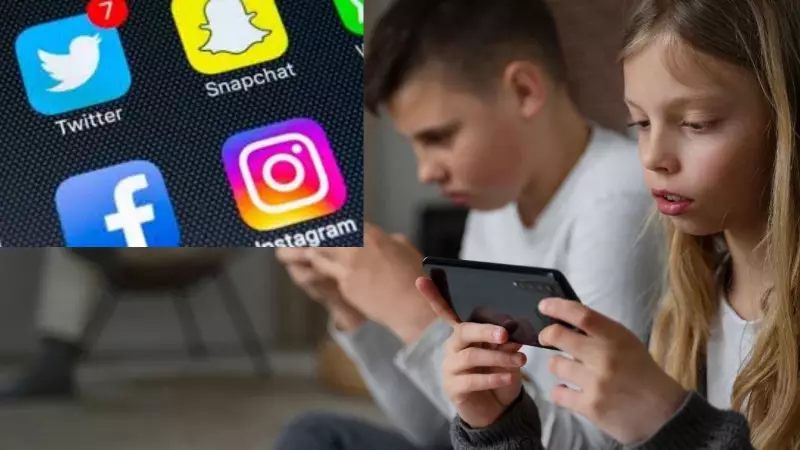
Social media companies have removed approximately 4.7 million accounts belonging to children in Australia. This action follows the country's ban on social media use for individuals under 16 years old. Officials announced the figures on Friday, highlighting the scale of this landmark legislation.
Enforcing the Ban
Australia implemented the ban in December over concerns about harmful online environments affecting young people. The law requires social media platforms to take reasonable steps to remove accounts of Australian children younger than 16. Failure to comply can result in fines up to 49.5 million Australian dollars, equivalent to about $33.2 million.
Ten major social media platforms reported the removal figures to the Australian government. These platforms include Facebook, Instagram, Kick, Reddit, Snapchat, Threads, TikTok, X, YouTube, and Twitch. Messaging services such as WhatsApp and Facebook Messenger are exempt from the ban.

Age Verification Methods
Platforms use several methods to verify user ages. They can request identification documents, employ third-party age estimation technology analyzing account holders' faces, or make inferences from available data like account longevity. This process aims to identify and restrict underage users effectively.
Impact on Children
Australia's eSafety Commissioner, Julie Inman Grant, provided context on the affected demographic. About 2.5 million Australians are aged between 8 and 15. Past estimates indicated that 84% of children aged 8 to 12 held social media accounts. The commissioner described the removal of 4.7 million accounts as "encouraging."
"We're preventing predatory social media companies from accessing our children," Inman Grant stated. She confirmed that the ten largest companies covered by the ban have complied and reported removal figures on time.
Political and Public Response
Communications Minister Anika Wells expressed satisfaction with the ban's enforcement. "We stared down everybody who said it couldn't be done, some of the most powerful and rich companies in the world and their supporters," Wells told reporters. "Now Australian parents can be confident that their kids can have their childhoods back."
Prime Minister Anthony Albanese also commented on the ban's success. "The fact that in spite of some skepticism out there, it's working and being replicated now around the world, is something that is a source of Australian pride," he said on Friday.
Platform-Specific Actions
Australian officials did not provide a detailed breakdown of account removals by platform. However, Meta, which owns Facebook, Instagram, and Threads, disclosed its own figures. The company reported removing nearly 550,000 accounts belonging to users believed to be under 16, just one day after the ban took effect.
In a blog post, Meta criticized the ban. The company argued that smaller platforms not covered by the ban might not prioritize safety. Meta also noted that browsing platforms would still present content to children through algorithms, a concern that originally motivated the ban.
Opposition and Circumvention
The law has faced opposition from online privacy advocates and some groups representing teenagers. These groups highlight the support vulnerable young people find in online spaces, especially those in Australia's isolated rural areas. Some teenagers reported fooling age assessment technologies or receiving help from parents or older siblings to bypass the ban.
Opposition lawmakers suggested that young people easily circumvent the ban or migrate to less scrutinized apps. Inman Grant addressed these concerns, noting a spike in downloads of alternative apps when the ban was enacted but not a corresponding spike in usage. "There is no real long-term trends yet that we can say but we're engaging," she explained.
Global Influence
Since Australia began debating these measures in 2024, other countries have considered similar actions. Denmark's government, for example, announced plans in November to implement a social media ban for children under 15. This global interest underscores the ban's potential as a model for other nations.

Future Regulations
Inman Grant revealed plans for additional regulations. The regulator she heads intends to introduce "world-leading AI companion and chatbot restrictions in March." She did not provide further details, but this move indicates ongoing efforts to enhance online safety for children.
The social media ban has sparked debates in Australia about technology use, privacy, child safety, and mental health. Despite challenges, officials remain optimistic about its impact and the precedent it sets for protecting young users worldwide.