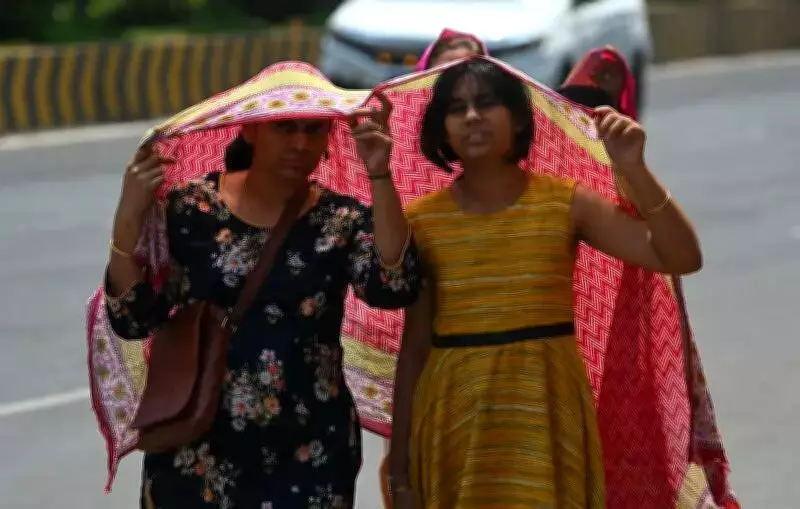
The India Meteorological Department (IMD) has issued its monthly forecast for May, indicating that above-normal heatwave days are likely in certain areas of south coastal Andhra Pradesh and north coastal Andhra Pradesh. The state, which experienced no heatwave days in April 2026, is now expected to see an increase of 1 to 4 heatwave days compared to the norm. Typically, normal heatwave days range from 3 to 5 days across different meteorological divisions.
Recent Weather Conditions
Although April did not record any official heatwave days, parts of Andhra Pradesh endured hot, humid, and highly discomforting weather for over a week, particularly in coastal and Rayalaseema districts. The IMD attributes the upcoming heatwave to the transition from neutral El Nino conditions to positive conditions during the monsoon season, a phenomenon that often leads to poorer monsoon performance and impacts agriculture.
Rainfall and Monsoon Onset
The department also forecasts that rainfall across Andhra Pradesh in May is likely to be above normal. The southwest monsoon is expected to set in over the Andaman and Nicobar Islands around May 14-16. Districts such as Tirupati, Nellore, Prakasam, Guntur, Palnadu, Visakhapatnam, Vizianagaram, and Srikakulam may experience above-normal heatwave days, while parts of NTR and Krishna districts will see normal heatwave conditions.

Daytime and Nighttime Temperatures
Daytime temperatures are predicted to be above normal in parts of the Rayalaseema region and some areas of south coastal Andhra Pradesh. Conversely, coastal Andhra Pradesh may experience relatively normal to below-normal daytime temperatures. The weather agency anticipates above-normal pre-monsoon showers in coastal regions during May.
Warmer nights are expected across many parts of the state due to increased cloud cover associated with above-normal rainfall. Cloudy conditions trap heat, leading to warmer nighttime temperatures. The IMD notes that the increasing frequency of heatwave days is linked to the shift from neutral to positive El Nino conditions, which poses a concern for Indian agriculture, heavily dependent on monsoon rains.