

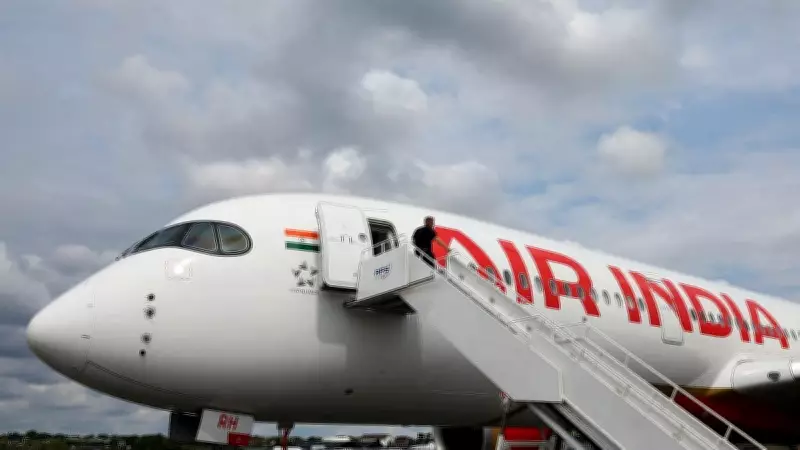
Air India's board of directors convened a meeting on Thursday to discuss the airline's operational and financial challenges arising from the escalating conflict in West Asia. The meeting focused on strategies to mitigate the impact of the crisis, including rerouting flights and implementing cost-saving measures.
Conflict Impact on Operations
The ongoing hostilities in West Asia have forced Air India to alter its flight paths, leading to increased fuel consumption and longer flight durations. The airline has temporarily suspended flights to and from Tel Aviv and is avoiding Iranian airspace, opting for longer routes via the Arabian Sea and Africa. These changes have resulted in higher operational costs and potential revenue losses.
Cost-Saving Initiatives
To counter these headwinds, the board discussed several cost-cutting measures. These include optimizing fuel usage, renegotiating contracts with suppliers, and deferring non-essential capital expenditures. The airline is also exploring partnerships with other carriers to share operational burdens during this period.

Financial Performance: Air India has been on a recovery path post-privatization, but the conflict threatens to slow down its turnaround. The airline reported a narrowing loss in the last quarter, but the current crisis could impact its financial targets for the fiscal year.
Long-Term Strategies
The board also reviewed long-term plans, including fleet expansion and network optimization. Despite the immediate challenges, Air India remains committed to its growth trajectory, with plans to add more aircraft and expand its international footprint.
Industry experts suggest that the conflict's duration will determine the extent of the impact. If the situation stabilizes soon, Air India can quickly revert to normal operations. However, prolonged instability may require more drastic measures.
In a statement, an Air India spokesperson said, "The board is closely monitoring the situation and is taking all necessary steps to ensure the safety of our passengers and crew while maintaining operational efficiency. We are confident in our ability to navigate these challenges."






