A significant seismic event rattled the Central Asian nation of Tajikistan on Tuesday, as an earthquake measuring 5.3 on the Richter scale struck the region. The tremor, which originated at a considerable depth, was felt across parts of the country and neighboring areas, prompting concerns about potential damage and aftershocks.
Details of the Seismic Event
The earthquake's epicenter was located in Tajikistan, a mountainous country prone to seismic activity. According to data from the National Center for Seismology (NCS), the quake occurred at a depth of approximately 100 kilometers beneath the Earth's surface. The considerable depth often plays a crucial role in how widely the tremors are felt on the surface and can sometimes mitigate the intensity of shaking in the immediate vicinity of the epicenter.
Initial reports indicated that the tremor was of moderate intensity. The specific coordinates provided by seismological agencies placed the epicenter within Tajikistan's territory. The timing of the event was precisely recorded, allowing experts to analyze its characteristics and potential impact on the region's geology.

Regional Impact and Immediate Response
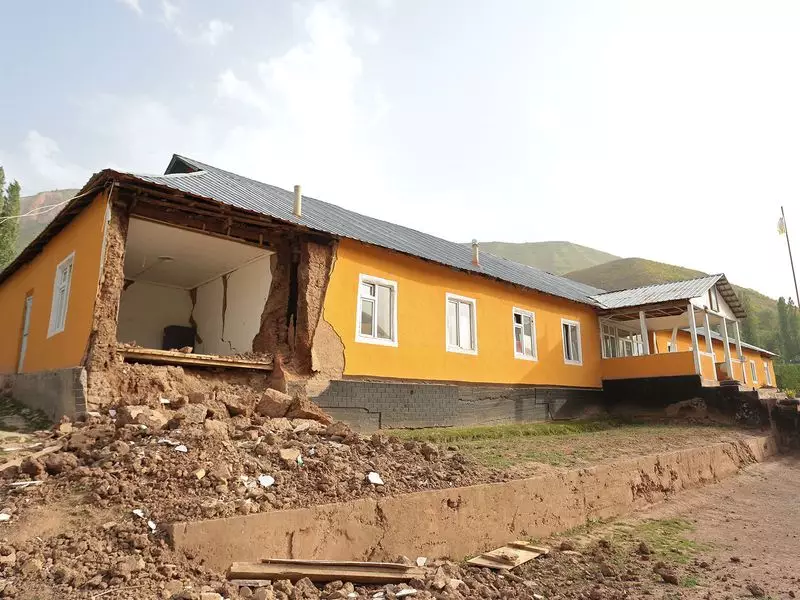
While the earthquake registered a magnitude of 5.3, which is considered capable of causing damage to buildings and infrastructure, there were no immediate reports of casualties or widespread destruction. The depth of the quake likely contributed to a reduction in severe surface-level shaking. However, residents in the affected area and surrounding regions reported feeling the ground move, a reminder of the ever-present seismic risk in this part of Asia.
Local authorities and disaster management teams were likely placed on alert following the event to assess any damage and respond to emergencies. Tajikistan, situated in a seismically active zone where tectonic plates converge, has experienced significant earthquakes in the past, making preparedness a key priority for the government.
Understanding Seismic Risks in Central Asia
This recent earthquake underscores the persistent geological instability of the Central Asian region. Tajikistan, along with other countries like Kyrgyzstan, Afghanistan, and parts of northern India and Pakistan, lies in a complex tectonic environment. The collision of the Indian and Eurasian tectonic plates creates immense pressure, which is periodically released in the form of earthquakes.
Events like this magnitude 5.3 tremor serve as critical data points for seismologists. They help in refining risk models and understanding fault lines. For a country like India, which shares a seismically active Himalayan belt with Central Asia, monitoring such events is part of a broader effort to improve earthquake preparedness and resilience against future, potentially more powerful, seismic events.
As of now, the situation appears to be under control with no major alerts issued for neighboring countries. However, experts continue to monitor for aftershocks, which are common following a quake of this magnitude. The event is a stark reminder of the powerful natural forces that shape our planet and the importance of robust infrastructure and early warning systems in vulnerable regions.