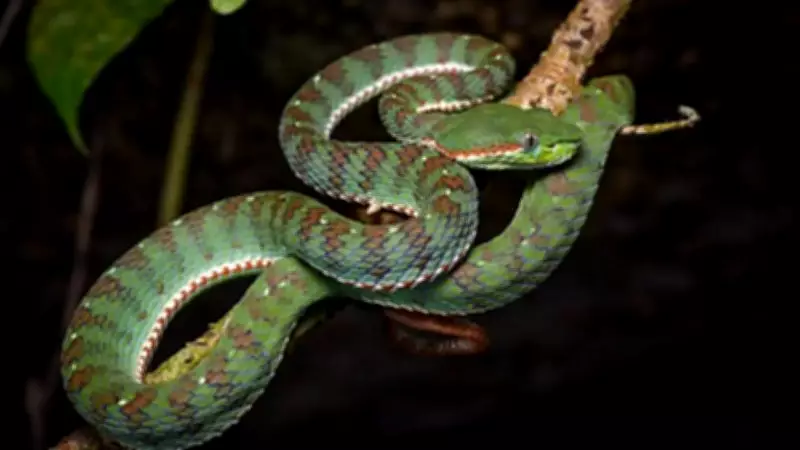
Rhode Island is not typically associated with snakes. The state's coastline, historic villages, and wooded trails attract most attention, while its quieter wetlands and freshwater habitats often go unnoticed. Yet these landscapes support a surprisingly varied reptile population. Around ponds, rivers, and marshes, several species have found ideal conditions among reeds, muddy shorelines, and shaded woodland edges.
Most snakes found in Rhode Island are harmless to people. They spend their days hunting amphibians, insects, or small fish, slipping between water and land with little fanfare. Even so, certain waterways are known for hosting larger concentrations than others. For walkers, paddlers, and wildlife watchers, these spots offer a glimpse into a side of Rhode Island that remains largely hidden beneath the grasses and along the water's edge. According to World Atlas, here is a list of five snake-filled waters in Rhode Island.
Snake-Filled Waters Across Rhode Island
1. Watchaug Pond
Tucked within a broad stretch of protected woodland in Charlestown, Watchaug Pond is one of Rhode Island's largest freshwater lakes. Its shoreline shifts between dense forest, quiet coves, and patches of wet vegetation, creating a varied environment that appeals to several snake species. The areas where woodland meets open water tend to be the most active. Northern water snakes are regularly seen moving along the banks or gliding across the surface in search of prey. Eastern ribbon snakes also appear around the pond, particularly in damp sections where frogs and small fish are plentiful. Their slender bodies and pale stripes make them stand out against the darker vegetation. Hidden beneath logs and leaf litter, ring-necked snakes occupy the drier margins, though they are far less likely to be spotted.

2. Pawtuxet River
The Pawtuxet River winds through forests, floodplains, and older communities before reaching Narragansett Bay. Along much of its course, slower-moving stretches of water are bordered by thick vegetation, fallen trees, and sunlit openings that provide favorable conditions for reptiles. Northern water snakes are among the most frequently encountered species here. They favor the river's quieter sections where fish and amphibians are abundant. Floodplain forests alongside the river support additional species, including ring-necked snakes and northern red-bellied snakes. These smaller snakes often remain concealed beneath damp soil, moss, and decaying leaves, emerging only when conditions are suitable.
3. Blackstone River
The Blackstone River cuts through northern Rhode Island, passing former industrial areas that have gradually returned to a more natural state. Marshes, riverbank vegetation, and recovering woodland habitats now line much of the waterway. These conditions support a mix of species adapted to both aquatic and terrestrial environments. Water snakes patrol the river itself, while eastern ribbon snakes are often found near wet grassy areas. Eastern garter snakes are especially common and can sometimes be seen basking on rocks, pathways, or exposed patches of concrete. Their coloring varies considerably, making them one of the more distinctive reptiles found along the river corridor.
4. Bowdish Lake and Wilbur Pond
Near the Connecticut border, Bowdish Lake and neighboring Wilbur Pond sit within a landscape of forests, marshes, and quiet clearings. The combination of shallow water, damp ground, and open grassy spaces creates a suitable habitat for a wide range of wildlife. Northern water snakes are regularly observed in and around the water. Beyond the shoreline, smooth green snakes blend almost perfectly into the surrounding vegetation, making them difficult to notice unless they move. The marshier sections also attract northern red-bellied snakes. Although small in size, they are well-suited to these damp environments where slugs and other invertebrates are readily available. Encounters tend to be brief, with most disappearing into cover as soon as they detect movement.

5. Trustom Pond
Located behind a series of coastal dunes in South Kingstown, Trustom Pond occupies a unique position among Rhode Island's waterways. Surrounded by marshes, shrubland, and protected habitat, it provides shelter for a variety of species that depend on wet environments. Smooth green snakes are among the reptiles most closely associated with these coastal wetlands. Their bright coloring allows them to vanish into dense grasses with remarkable ease. Eastern ribbon snakes are also present, moving through marsh vegetation and feeding around the pond's edges. Ring-necked snakes occur in nearby wooded sections, though they are seldom seen. The combination of freshwater influences, coastal conditions, and abundant prey supports a surprisingly diverse reptile community within a relatively small area.