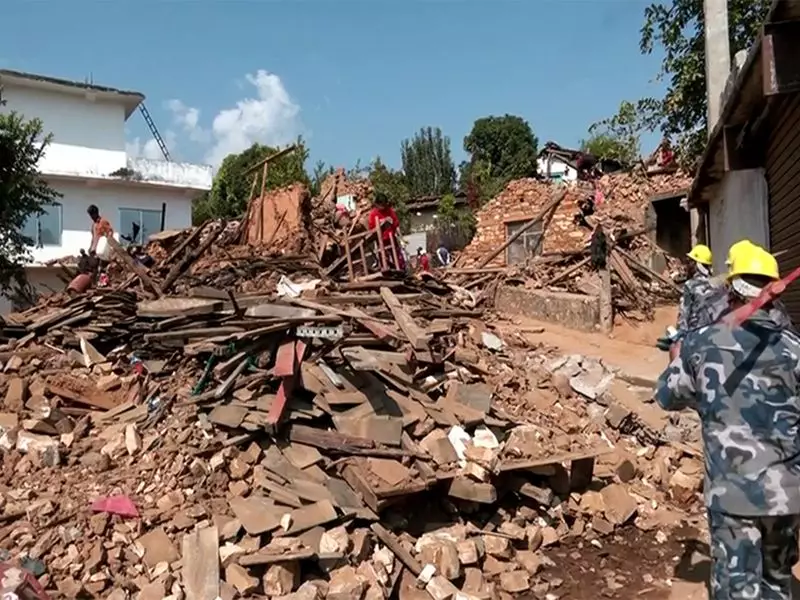
A significant seismic event rattled the Indonesian archipelago on Tuesday, as a moderate earthquake struck the northern region of Sumatra. The tremor, which occurred in the morning hours, was felt by residents in the affected province, though initial reports suggest limited immediate damage.
Details of the Seismic Event
The earthquake, with a magnitude of 4.6, was officially recorded by the country's meteorological agency. According to the Meteorological, Climatological, and Geophysical Agency (BMKG), the quake's epicentre was located on land. The precise coordinates placed it at 2.97 degrees North latitude and 98.79 degrees East longitude.
The seismic activity originated at a relatively shallow depth, which can often amplify the shaking felt on the surface. The BMKG reported the quake's depth at approximately 10 kilometres beneath the Earth's surface. The tremor was recorded at 10:06 am local time on Tuesday, sending a sudden jolt through the region.

Impact and Immediate Aftermath
Following the tremor, authorities swiftly assessed the situation. A crucial piece of information for coastal communities was the confirmation that no tsunami warning was issued. This announcement from the BMKG helped alleviate potential panic, as Indonesia has a tragic history with earthquake-triggered tsunamis.
Initial reports from the ground indicated that the quake was felt with moderate intensity in areas surrounding the epicentre. However, details regarding structural damage, injuries, or disruptions to daily life were still being collated in the immediate aftermath. The region's vulnerability to earthquakes is well-documented, given its position on the volatile Pacific Ring of Fire.
Geological Context and Preparedness
This event underscores the persistent seismic threat facing Indonesia. The nation sits at the convergence of several major tectonic plates, including the Indo-Australian and Eurasian plates, making it one of the most seismically active zones on the planet. Earthquakes of similar or greater magnitude are not uncommon.
The swift response and clear communication from the BMKG regarding the absence of a tsunami threat highlight improvements in the country's disaster early-warning systems. These systems are vital for a nation comprised of thousands of islands, where timely information can save lives. Residents in seismically active regions like North Sumatra are routinely advised to be prepared for such events, knowing basic safety protocols during and after an earthquake.
While this particular tremor appears to have passed without major catastrophe, it serves as a stark reminder of the dynamic and often unpredictable forces of nature that shape life in the Indonesian archipelago. Monitoring agencies continue to observe the region for any potential aftershocks.