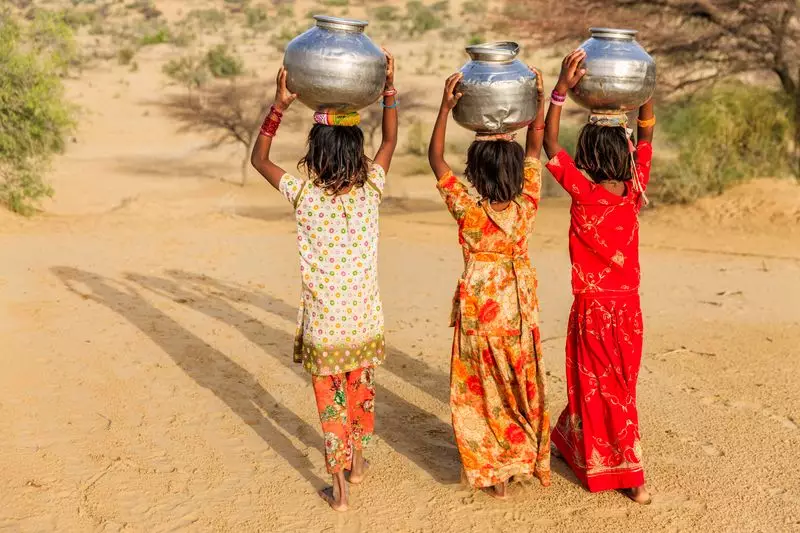
A disturbing new report has uncovered that more than 1.6 million children are currently trapped in child labour across Pakistan's Sindh province, highlighting a severe humanitarian crisis in the region.
Alarming Statistics and Regional Distribution
The comprehensive study, conducted by the Sindh Labour and Human Resources Department with technical support from UNICEF Pakistan, reveals staggering numbers of exploited children. According to the findings, 1.63 million children between the ages of 10 and 14 are engaged in various forms of child labour throughout the province.
The distribution of this crisis shows significant regional disparities. The worst-affected districts include Karachi Central with approximately 175,000 child workers, followed closely by Karachi East with around 168,000 children in labour. Other severely impacted areas include Hyderabad (119,000), Sukkur (118,000), and Karachi Korangi (117,000).
Root Causes and Vulnerable Populations
The report identifies poverty as the primary driver forcing children into the workforce. Economic hardship compels families to send their children to work instead of school, perpetuating a cycle of poverty and limited opportunities. The situation is particularly dire for children from already marginalized communities.
Approximately 3.84 million children across Sindh are currently out of school, making them especially vulnerable to exploitation. Without access to education, these children have few alternatives to entering the labour market, often in dangerous and exploitative conditions.
The agricultural sector employs the largest number of child workers, with many children working in hazardous conditions on farms and in fields. Other significant sectors exploiting child labour include manufacturing, domestic work, street vending, and various informal economy jobs.
Government Response and Legal Framework
The Sindh government has acknowledged the severity of the crisis. Provincial Minister for Labour and Human Resources, Murtaza Baloch, described the findings as "alarming" and emphasized the need for immediate action.
Pakistan has existing legal protections against child labour, including the Sindh Prohibition of Employment of Children Act 2017, which prohibits employment of children under 14 in any establishment. However, enforcement remains a significant challenge, particularly in rural areas and informal sectors where most child labour occurs.
The report recommends several urgent measures, including strengthening enforcement mechanisms, expanding social protection programs for vulnerable families, increasing access to quality education, and launching public awareness campaigns about children's rights to education and protection from exploitation.
This child labour crisis not only violates fundamental children's rights but also hampers Pakistan's long-term development goals. With millions of children denied education and forced into work, the human capital development of the entire nation suffers, creating long-term consequences for economic growth and social stability.