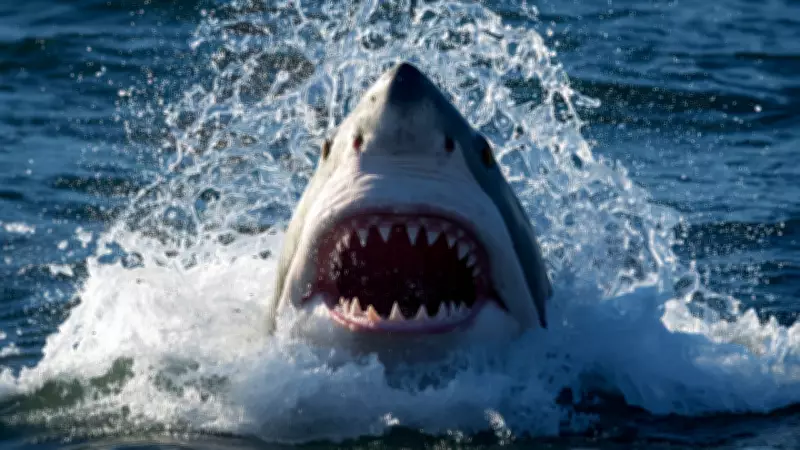
Every summer, millions of people flock to America's beaches, expecting sunshine, surf, and warm coastal waters. Yet beneath those waves lives one of the ocean's most misunderstood predators. Shark attacks remain exceptionally rare, but they are not evenly distributed. Some coastlines in the United States experience more incidents due to geographic features, water temperatures, ecosystems, and human activities.
The International Shark Attack File (ISAF) at the Florida Museum of Natural History at the University of Florida provides the best available data. This database, containing records dating back centuries, reveals clear hotspots where unprovoked shark bites occur more frequently. While these regions attract attention, researchers stress that the overall risk remains extremely low.
According to researchers from James Cook University, who study environmental factors influencing shark and ray movement, behavior, and habitat, several environmental factors repeatedly appear in shark hotspot regions: warm coastal waters, abundant baitfish populations, active surfing communities, river mouths and tidal inlets, seasonal shark migrations, and high numbers of people entering the water.

8 Beaches in the US with the Most Shark Sightings
Here are the coastlines that have recorded the highest numbers of shark encounters in the United States and the environmental factors that make them recurring hotspots.
1. Florida's Atlantic Coast: The Undisputed Shark Bite Capital
Florida has recorded 953 confirmed unprovoked shark attacks since records began, far more than any other US state. No stretch of the American coastline comes close. The state's Atlantic shore, particularly around Volusia County, consistently produces the highest concentration of shark encounters in the world. Warm water, extensive sandbars, abundant baitfish, and year-round recreational activity create ideal conditions for interactions between sharks and humans. According to the ISAF, Florida alone accounts for more than one-third of all recorded unprovoked shark attacks in the United States. Florida has historically had the highest number of shark bites in the world. Why sharks are common here: large populations of blacktip sharks, seasonal migrations along the Atlantic coast, high numbers of surfers and swimmers, and shallow nearshore feeding zones.
2. New Smyrna Beach, Florida: The World's Most Famous Shark Hotspot
If one beach symbolizes shark encounters, it is New Smyrna Beach. Located on Florida's east coast, the beach sits near Ponce Inlet, where schools of fish attract large numbers of sharks. Most incidents involve minor bites from juvenile blacktip sharks feeding in murky surf zones. Researchers have repeatedly identified the area as the location with the greatest concentration of recorded shark bites worldwide. Despite the statistics, fatalities are extremely rare.
3. Hawaii's Coastline: Where Tiger Sharks Dominate
Hawaii ranks second nationally with 204 confirmed unprovoked attacks. Unlike Florida, many Hawaiian incidents involve larger species, particularly tiger sharks. The islands' steep underwater topography allows large predators to approach close to shore. Tiger sharks are among the most commonly implicated species in serious incidents throughout the Hawaiian archipelago. Areas around Oahu, Maui, and the Big Island account for many of the state's recorded encounters.
4. California's Central and Southern Coast
California has recorded 148 confirmed unprovoked shark attacks. The state's reputation stems largely from the presence of white sharks. Unlike Florida, encounters are less frequent but can be more severe due to the size of the animals involved. The waters around Monterey Bay, Santa Barbara, and San Diego provide important habitats for juvenile and adult white sharks. Researchers from California's marine science institutions have documented increasing numbers of juvenile white sharks using nearshore nursery grounds in recent decades.

5. Grand Strand Region, South Carolina
South Carolina ranks fourth in the nation for unprovoked shark attacks, with 123 recorded. The Grand Strand, extending from Little River to Georgetown, hosts millions of tourists yearly. The Myrtle Beach area is notable due to the large number of swimmers entering the sea during peak tourism times. These incidents generally involve small sharks rather than large apex predators. The area experiences warm weather and a dense population of baitfish, leading to frequent shark sightings.
6. North Carolina's Outer Banks
North Carolina has recorded 83 unprovoked shark attacks to date. The Outer Banks are located at a unique point where the warm Gulf Stream current mixes with cold water currents from the Atlantic. Bull sharks, blacktips, spinners, and tiger sharks are all known in the area. Sandbars and surf zones add more chances for encountering sharks.
7. Texas and the Gulf Coast
Texas has experienced 50 unprovoked attacks. Despite lower numbers on the Gulf Coast compared to Florida's Atlantic coast, there are still significant trouble spots. Bull sharks are commonly spotted around Galveston Island and South Padre Island. These sharks can adapt to both saltwater and freshwater. The Gulf provides ideal conditions for bull sharks due to its warm climate and abundance of estuarine areas. Encounters tend to happen between June and August when tourists visit beaches more frequently.
8. Oregon's Pacific Coast: An Overlooked Hotspot
Oregon may not be the first state that comes to mind as a shark hotspot, but it has reported 29 unprovoked attacks. These cold waters are home to great white sharks, attracted by large numbers of seals and sea lions. The majority of attacks occur away from tourist beaches and involve surfers in areas with large waves and poor underwater visibility. Researchers believe these attacks result from sharks mistaking humans for prey rather than targeting them directly. Due to the smaller number of people in Oregon, each incident attracts scientific attention, providing valuable information about shark behavior.