Uganda is poised for a pivotal moment as the country prepares for its presidential and parliamentary elections on 12 January 2026. While political observers widely predict that President Yoweri Museveni and his long-ruling National Resistance Movement (NRM) party will secure another term, the electoral process itself holds significant weight for the nation's trajectory.
Key Contenders and the Political Landscape
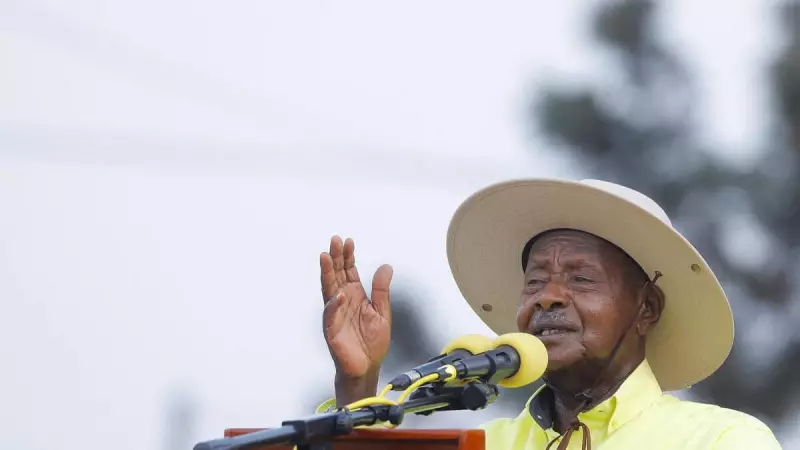
The central figure in this electoral contest remains President Yoweri Museveni, who has maintained a firm grip on power for decades. His party, the NRM, is deeply entrenched within Uganda's state institutions, from the military to the civil service, creating a formidable advantage. This institutional control leads many analysts to view his victory as a near certainty. However, the election is not without other candidates who represent various opposition viewpoints, though they face an uphill battle against the incumbent's political machinery.
Critical Issues Dominating the Election
The vote unfolds against a backdrop of pressing national concerns. Voters are grappling with issues of economic development, job creation for the youth, and governance transparency. The state of civil liberties and political freedoms is also a critical point of discussion, especially given the history of contested elections. How these issues are addressed—or ignored—during the campaign and voting process will be closely watched as an indicator of the country's democratic health.

Potential for Unrest and International Implications
A major question surrounding the polls is the potential for public unrest. Past elections have been marred by allegations of irregularities and subsequent protests. The manner in which the vote is conducted and the reaction to the results could determine the nation's stability in the immediate aftermath. Furthermore, the outcome has implications for foreign actors with interests in the region. Uganda plays a key role in East African security and diplomacy, making its political direction a matter of concern for international partners and observers who will be monitoring the process for fairness and credibility.
Ultimately, while the winner may seem predetermined, the 2026 Ugandan election is about more than just the final tally. It is a test of the nation's institutions, a reflection of its public sentiment, and a determinant of its path forward in an increasingly complex regional and global environment.