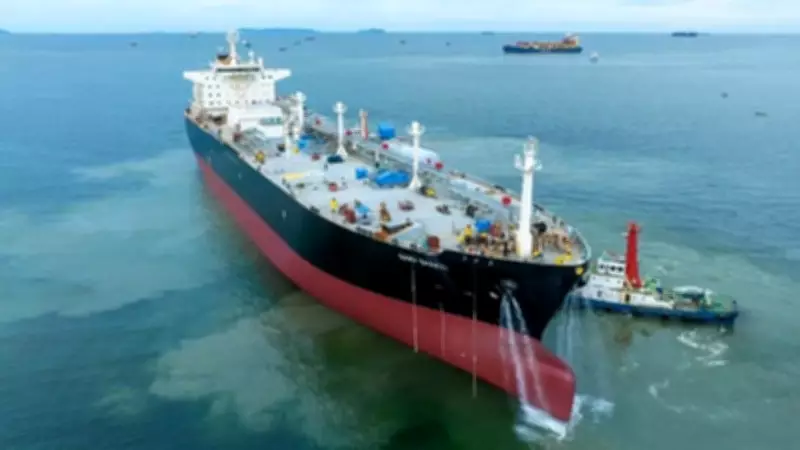
The LPG tanker Sarv Shakti has made history by becoming the first India-bound vessel to cross the strategic Strait of Hormuz in two weeks, according to sources. The ship, carrying 44,000 tonnes of liquefied petroleum gas (LPG) from the United Arab Emirates, successfully navigated the waterway amid ongoing geopolitical tensions in the region.
Strategic Importance of the Crossing
The Strait of Hormuz is a critical chokepoint for global energy supplies, with about 20% of the world's oil and a significant portion of LNG passing through it. The recent crossing of Sarv Shakti marks a significant milestone for India's energy security, as the country relies heavily on imports to meet its domestic demand for LPG, which is used for cooking and heating in millions of households.
Details of the Voyage
The tanker departed from the UAE's port of Ruwais and traversed the strait without incident, escorted by naval forces to ensure safe passage. The vessel is expected to dock at the Indian port of Kandla in Gujarat within the next few days. The successful transit comes after a two-week period during which no India-bound LPG tankers had attempted the crossing due to heightened security concerns.

Regional Tensions and Impact on Shipping
The region has witnessed increased tensions following recent attacks on commercial vessels in the Gulf of Oman and the Strait of Hormuz. Several shipping companies had suspended operations or rerouted vessels to avoid the area, leading to delays and higher costs for energy imports. The Indian government has been closely monitoring the situation and coordinating with international partners to ensure the safety of its maritime trade.
India's Energy Security Measures
India, the world's third-largest energy consumer, has been diversifying its energy sources and routes to reduce dependence on the Strait of Hormuz. Initiatives include increasing domestic production, exploring alternative import routes, and building strategic petroleum reserves. The successful passage of Sarv Shakti provides a temporary relief but underscores the need for long-term strategies to safeguard energy supplies.
Conclusion
The crossing of Sarv Shakti is a testament to the resilience of India's maritime operations and the effectiveness of coordinated security efforts. However, the underlying geopolitical risks remain, and India continues to work on enhancing its energy security framework to mitigate future disruptions.