

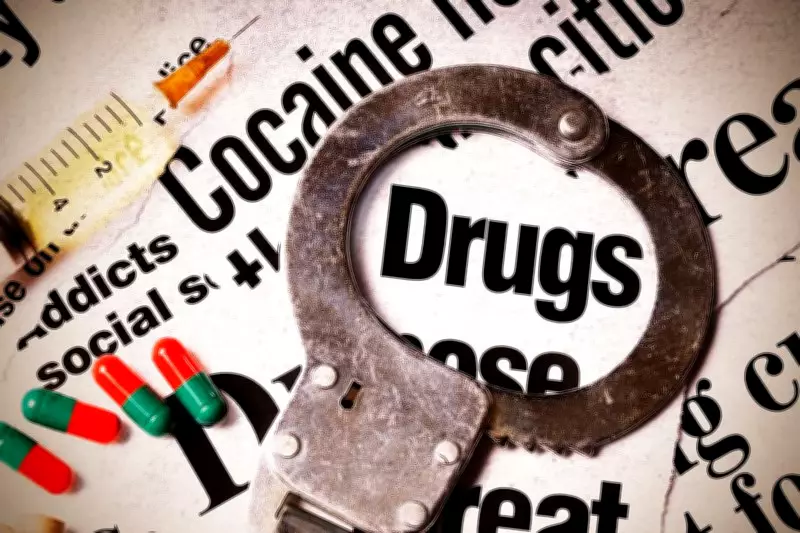
Punjab's intensified war on drugs has seen a dramatic surge in both cases registered and narcotics seized, with official data revealing a more than 40 percent increase in drug-related cases across the state. The crackdown, which has been a key focus of the state government, has led to substantial seizures of heroin, opium, and other illicit substances.
Rise in Drug Cases
According to the latest statistics, the number of drug cases filed in Punjab has jumped by over 40 percent compared to the previous year. This sharp increase reflects the heightened enforcement efforts by the police and special task forces. The data indicates that authorities are not only registering more cases but also making deeper inroads into the drug supply chain.
Seizures Across Key Narcotics
The seizures have spiked across key narcotics, including heroin, opium, and poppy husk. Heroin seizures alone have seen a significant uptick, with law enforcement agencies intercepting larger quantities at various points. Similarly, the confiscation of opium and other synthetic drugs has also risen, indicating a broader crackdown on both traditional and modern narcotics.

- Heroin: Seizures have increased by over 50 percent, with major hauls reported from border areas and urban centers.
- Opium: Confiscations have risen by 35 percent, with many cases linked to cross-border smuggling.
- Poppy Husk: Seizures have doubled, reflecting a focus on raw materials used in drug production.
Impact on Drug Trafficking Networks
The intensified operations have dealt a blow to drug trafficking networks operating in the state. Several key operatives have been arrested, and multiple drug manufacturing units have been dismantled. The police have also seized large amounts of cash and assets linked to drug money, further disrupting the financial backbone of these syndicates.
Community and Rehabilitation Efforts
Alongside enforcement, the Punjab government has ramped up community outreach and rehabilitation programs. De-addiction centers have been expanded, and awareness campaigns are being conducted in schools and colleges. The aim is to not only curb the supply but also reduce demand through education and support for addicts.
Despite the progress, challenges remain. The porous border with Pakistan continues to be a conduit for drug smuggling, and new synthetic drugs are emerging. However, the state's comprehensive approach—combining strict enforcement with preventive measures—is yielding positive results. The data underscores the government's commitment to making Punjab drug-free, with the war on drugs entering a more aggressive phase.






