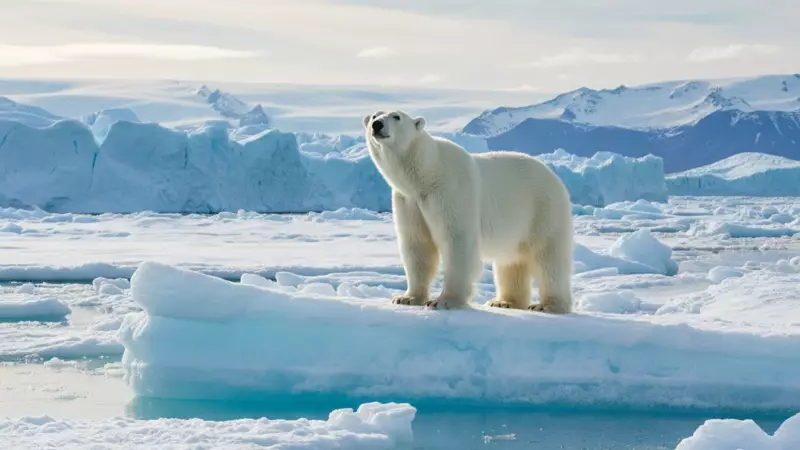
The Truth About Polar Bear Fur: It's Not Actually White
Yes, it's absolutely true. The polar bear's iconic white fur isn't white at all. These magnificent Arctic creatures actually have transparent, hollow fur strands that lack any white pigment. Their skin beneath that fur is black, which might come as a surprise to many people who picture them as snow-white giants.
How Polar Bears Get Their White Appearance
So how do polar bears appear white if their fur isn't actually white? The secret lies in light reflection. Their fur, made of keratin, has special light-reflecting properties. When sunlight hits a polar bear's coat, the light rays become trapped inside those hollow fur strands. This creates a luminescent effect that gives them that distinctive off-white shade we all recognize.
This clever adaptation serves a crucial purpose. The coloration helps polar bears blend perfectly with their Arctic surroundings, providing excellent camouflage against ice and snow. This camouflage proves essential for hunting and survival in their harsh environment.

Survival Adaptations in Extreme Conditions
Polar bears possess remarkable adaptations for Arctic life. They maintain a double coat of fur for maximum protection. Underneath that fur, they develop a thick layer of body fat that serves multiple purposes. This fat layer keeps them warm during swims in freezing waters and provides insulation against brutal blizzards and extreme weather conditions.
Their grooming habits play a vital role in survival too. You'll rarely find a healthy adult polar bear with dirty, matted fur. They keep themselves meticulously clean and dry because wet, soiled fur doesn't insulate nearly as well as clean fur does. This attention to cleanliness isn't about vanity—it's about survival in one of Earth's most challenging environments.
Polar Bears as Apex Predators
Polar bears sit at the very top of the Arctic food chain. As apex predators, they play an essential role in maintaining the delicate balance of the northern marine ecosystem. Their presence helps regulate the entire Arctic environment, making them crucial to the region's ecological health.
These carnivorous mammals primarily feed on fatty seals, which provide the energy and nutrients needed to survive extreme conditions. Their stomachs have evolved with large storage capacity and efficient absorption of proteins and fats from their prey.
Remarkable Hunting and Swimming Abilities
Polar bears demonstrate incredible patience in their hunting techniques. Their favorite method involves waiting motionless by a seal's breathing hole, sometimes for hours or even days, until the seal surfaces for air. Despite their skill, seals prove slippery and difficult to grip, so polar bears typically catch only one or two out of every ten to fifteen seals they target.
These Arctic giants are also exceptional swimmers. They can move through water at speeds up to six miles per hour, using their webbed front paws and powerful hind legs to navigate icy waters. Scientists often classify them as marine mammals because they spend so much time on sea ice and in Arctic waters.
Conservation Status and Threats
The United States officially listed polar bears as a threatened species under the Endangered Species Act back in May 2008. This designation recognized the serious challenges these animals face in our changing world.
Climate change represents the most significant threat to polar bear survival. As Arctic ice melts at alarming rates, polar bears lose crucial hunting grounds and habitat. Beyond climate impacts, they face additional dangers including bear-human conflicts, expanding human industry in the Arctic, potential oil spills, and overharvesting issues.
These combined threats force polar bears to spend more time on land rather than on their natural ice habitats. This shift could indirectly threaten the entire Arctic food chain's delicate balance, demonstrating how interconnected these ecosystems truly are.
Conservation efforts now focus on rehabilitation and restoration programs to protect these iconic Arctic predators. Their survival requires immediate intervention and continued awareness about the impacts of climate change on vulnerable species.