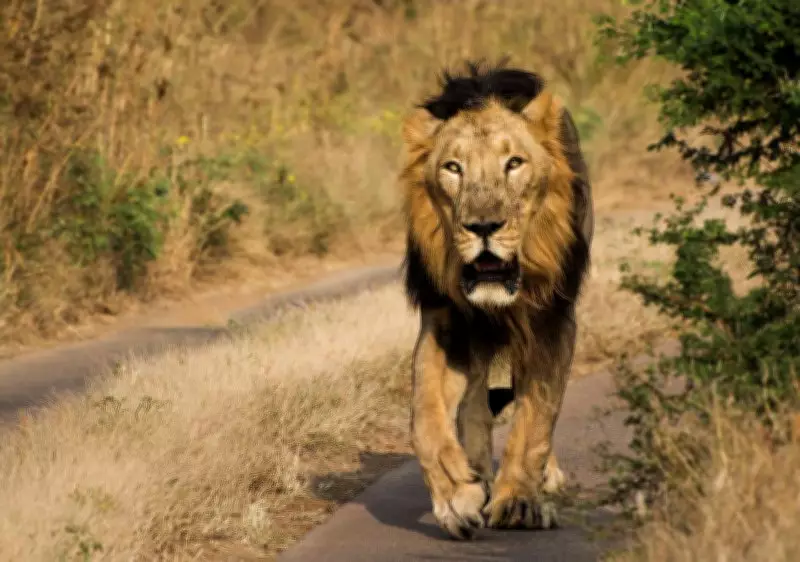
In a positive development for wildlife conservation in Gujarat, the state's forest minister announced that no new suspected cases of babesiosis have been reported among lions in the past three days. Currently, 17 lions remain under observation as a precautionary measure to ensure their health and prevent any potential outbreak of the disease.
Current Status of Lion Health
The minister stated that the situation is under control, with vigilant monitoring continuing across the lion habitats. The 17 lions under observation are being closely watched for any symptoms of babesiosis, a tick-borne disease that can be fatal to big cats. Veterinary teams are conducting regular health checks and providing necessary treatment to affected animals.
Preventive Measures Implemented
Forest officials have intensified surveillance in the Gir forest region and surrounding areas. Measures include:

- Regular health screenings of lions in the wild and in captivity.
- Deployment of rapid response teams to address any suspected cases.
- Public awareness campaigns to report any sick or unusual animal behavior.
Additionally, efforts are being made to control tick populations in the lions' habitat, as ticks are the primary vectors for babesiosis.
Background on Babesiosis in Lions
Babesiosis is caused by protozoan parasites of the genus Babesia, which infect red blood cells. In lions, symptoms include fever, anemia, jaundice, and lethargy. The disease can be severe, especially in young or immunocompromised animals. The recent cases prompted an urgent response from the Gujarat forest department and wildlife experts.
Collaboration with Wildlife Experts
The state government is working closely with veterinarians, wildlife biologists, and conservation organizations to manage the situation. Samples from affected lions have been sent for laboratory analysis to confirm diagnoses and monitor the strain of the parasite. This collaboration aims to develop long-term strategies to protect the Asiatic lion population, which is primarily found in Gujarat.
Asiatic lions are classified as endangered by the International Union for Conservation of Nature (IUCN), making their health and conservation a priority. The current measures reflect the state's commitment to safeguarding this iconic species.
The minister reassured the public that there is no cause for alarm, as the situation is being handled professionally. Tourists and locals are advised to follow guidelines issued by forest authorities to minimize human-animal conflict and ensure the safety of both people and wildlife.