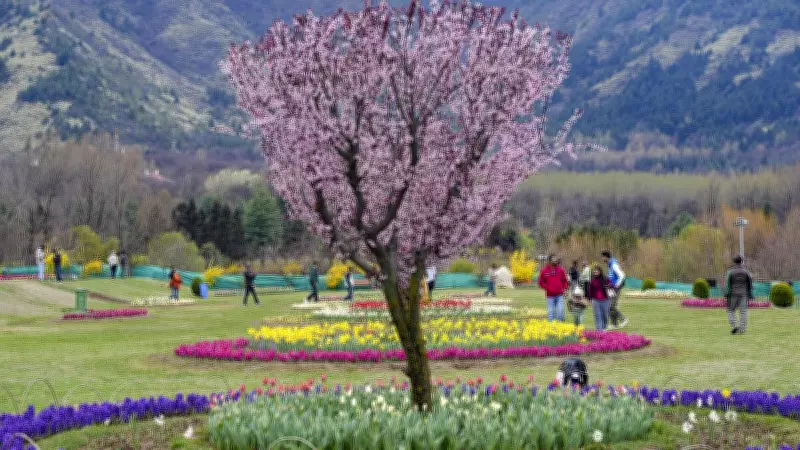
Official figures show that Kashmir’s tourism industry had been on a strong growth trajectory before the Pahalgam attack. However, the recent resurgence raises questions about whether visitors are truly experiencing the best of the Valley.
Tourism Growth Trajectory
Data from the Jammu and Kashmir Tourism Department indicates a steady increase in tourist arrivals over the past few years. In 2025, the region recorded over 20 million visitors, a significant rise from previous years. The Pahalgam attack in early 2026 temporarily disrupted this trend, but numbers quickly rebounded.
Impact of the Pahalgam Attack
The attack, which targeted tourists in the popular hill station, led to a brief dip in arrivals. However, government initiatives and security measures restored confidence, and by June 2026, tourist numbers had surpassed pre-attack levels.

Are Tourists Missing the Best of Kashmir?
While the boom is welcome, critics argue that most tourists stick to crowded spots like Gulmarg, Pahalgam, and Sonamarg, missing out on lesser-known gems. Local travel experts emphasize the need to explore offbeat destinations such as Gurez Valley, Bangus Valley, and Doodhpathri.
Popular vs. Hidden Gems
- Popular: Gulmarg, Pahalgam, Sonamarg, Dal Lake
- Hidden Gems: Gurez Valley, Bangus Valley, Doodhpathri, Aharbal Waterfalls
These less-visited areas offer pristine landscapes, unique cultural experiences, and fewer crowds, providing a more authentic Kashmir experience.
Government Efforts to Diversify Tourism
The Jammu and Kashmir administration is promoting niche tourism segments like homestays, adventure sports, and eco-tourism. Initiatives include developing new trekking routes, improving road connectivity to remote areas, and offering incentives for tourists to explore beyond the usual circuit.
Challenges Ahead
Despite efforts, challenges remain. Infrastructure in remote areas is still developing, and there is a need for better marketing of these destinations. Additionally, security concerns persist, though they have been largely addressed.
Conclusion
Kashmir’s tourism boom is a positive sign for the region’s economy. However, to truly appreciate the Valley, visitors should venture beyond the well-trodden paths. With continued government support and growing awareness, Kashmir’s hidden treasures may soon get the attention they deserve.