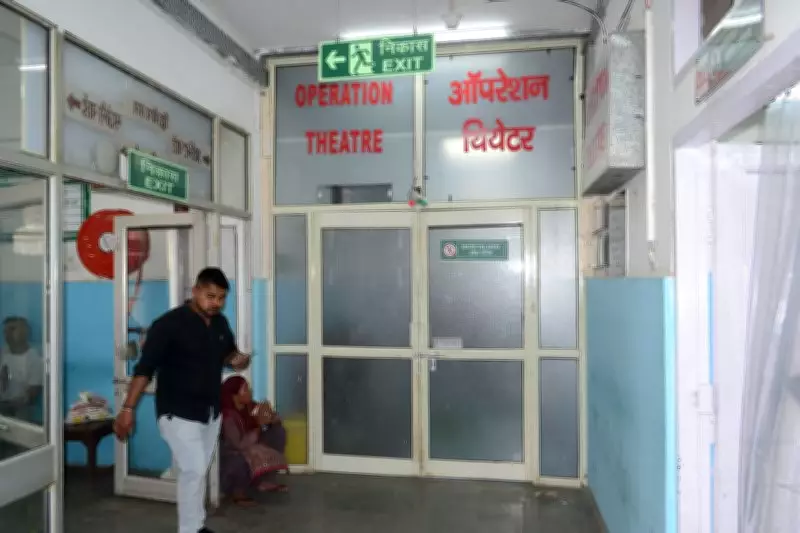
Karnal Hospitals Expand Surgical Capabilities
Karnal has witnessed a significant surge in surgical capacity across its hospitals, marking a new chapter in healthcare delivery in the region. The enhancement comes through the addition of state-of-the-art operation theatres and advanced medical equipment, enabling medical professionals to perform a wider range of complex procedures with greater efficiency and safety.
New Operation Theaters and Advanced Equipment
Several hospitals in Karnal have invested heavily in expanding their surgical infrastructure. This includes the construction of new operation theatres equipped with modern ventilation systems, advanced lighting, and high-definition surgical monitors. Additionally, the acquisition of cutting-edge surgical instruments, such as laparoscopic devices and robotic-assisted surgery systems, has allowed for minimally invasive procedures, reducing patient recovery times and postoperative complications.
The increased capacity has also led to a reduction in waiting times for elective surgeries. Patients who previously had to travel to larger cities like Delhi or Chandigarh for specialized procedures can now receive timely treatment locally. This development is particularly beneficial for emergency cases, where immediate surgical intervention can be life-saving.

Training and Skill Development
To complement the infrastructural upgrades, hospitals have initiated comprehensive training programs for surgeons, nurses, and support staff. These programs focus on the latest surgical techniques, infection control protocols, and patient safety measures. Collaboration with national and international medical institutions has facilitated knowledge exchange and skill enhancement, ensuring that the medical team is adept at using the new technology effectively.
Impact on Patient Care
The expansion of surgical capacity has had a profound impact on patient care. With more operation theatres and better equipment, hospitals can now handle a higher volume of surgeries without compromising quality. This has led to improved health outcomes, with lower rates of complications and shorter hospital stays. Patients have expressed satisfaction with the improved facilities and the professionalism of the medical staff.
Furthermore, the availability of advanced surgical options has attracted patients from neighboring districts, boosting medical tourism in the region. This influx has also stimulated the local economy, creating jobs and fostering growth in ancillary services such as hospitality and transportation.
Future Plans
Hospital administrators have outlined plans for further expansion, including the addition of specialized surgical units for orthopedics, cardiology, and neurology. There is also a focus on integrating telemedicine services to provide preoperative and postoperative consultations remotely. These initiatives aim to make Karnal a hub for advanced healthcare in northern India.
In conclusion, the surge in surgical capacity at Karnal hospitals represents a significant advancement in regional healthcare. Through strategic investments in infrastructure, technology, and human resources, the city is setting new standards for medical care, ensuring that residents have access to high-quality surgical services close to home.