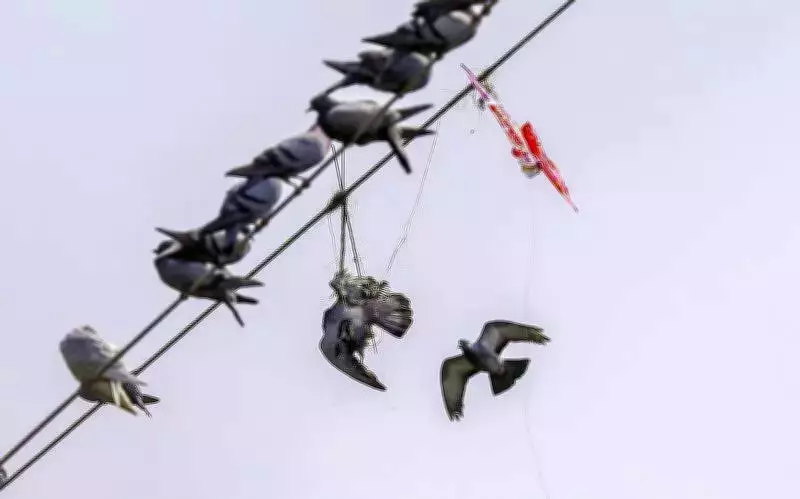
In Hyderabad, animal welfare organizations are continuing their crucial rescue operations, saving between ten to fifteen birds each day, some of which belong to rare and protected species. These avian creatures have sustained severe injuries from Chinese manja, the sharp glass-coated kite string, even though two full weeks have elapsed since the Sankranti festival concluded.
Republic Day Celebrations Exacerbate the Crisis
Rescuers have reported a noticeable surge in the number of injured birds around January 26th, coinciding with Republic Day festivities. Many residents across the city flew Tricolour-themed kites from their rooftops to commemorate the national holiday, leading to a sharp increase in manja-related incidents. Rescue groups are issuing stern warnings that the danger is far from over, with discarded kite strings remaining a persistent hazard.
Alarming Statistics and Permanent Damage
According to conservative estimates, approximately thirty percent of birds injured by manja either perish from their wounds or are left permanently unable to fly. This tragic outcome results from deep lacerations, fractured wings, or severe blood loss that proves fatal or debilitating. The physical trauma inflicted by these sharp strings creates lifelong disabilities for many avian survivors.

Ongoing Threats from Discarded Materials
Santoshi P from the Animal Welfare and Conservation Society emphasized that abandoned kite strings hanging from trees, electric poles, and buildings continue to pose significant threats to both birds and human residents. These dangerous materials are likely to remain hazardous for at least another month, creating an extended period of risk. Her organization alone has rescued 213 birds, with 82 injured by hanging manja and 76 suffering from direct manja cuts, while 28 birds unfortunately succumbed to their injuries.
Daily Rescue Operations and Species Impact
Soudharm Bhandari from the Greater Hyderabad Society for Prevention of Cruelty to Animals (GHSPCA) revealed that rescue calls begin early every morning as people discover injured birds during their morning walks. While pigeons constitute the majority of rescues, numerous other species have been affected, including eagles, black kites, parrots, doves, and even an Indian roller. Since the festive season commenced, GHSPCA has rescued 96 birds, with 52 recovering successfully, 25 still undergoing treatment, and seven rendered permanently flightless. Twelve birds succumbed to their injuries, while four others were discovered deceased.
Public Observations and Human Safety Concerns
Morning walkers at KBR National Park have reported that manja littering has become a daily, disturbing sight. Samrat Vishnu, a technology professional and regular park visitor, described seeing kite strings tangled in bushes, trees, and along pathways during daily walks, with birds getting trapped right before observers' eyes. The discarded kite string presents risks not only to avian life but to human safety as well.
Tragic Human Incidents and Injuries
In a heartbreaking incident, a five-year-old child lost her life when manja string became entangled around her neck while she was riding on a two-wheeler with her parents. Several other people have suffered injuries from these dangerous strings. One severe case involved a 32-year-old man from Mehdipatnam who fell from his fourth-floor terrace while flying kites with friends, resulting in multiple fractures and broken ribs. He continues to undergo treatment at a private hospital in Masab Tank. In another incident, a seven-year-old child sustained multiple cuts on his shoulder and arm while playing in his residential colony.
Animal welfare workers emphasize their commitment extends beyond scheduled calls, with rescuers stopping to help injured birds whenever they encounter them during travel. The persistence of this manja threat weeks after festival celebrations highlights the need for greater public awareness and responsible disposal of kite-flying materials to protect both wildlife and human residents in Hyderabad.