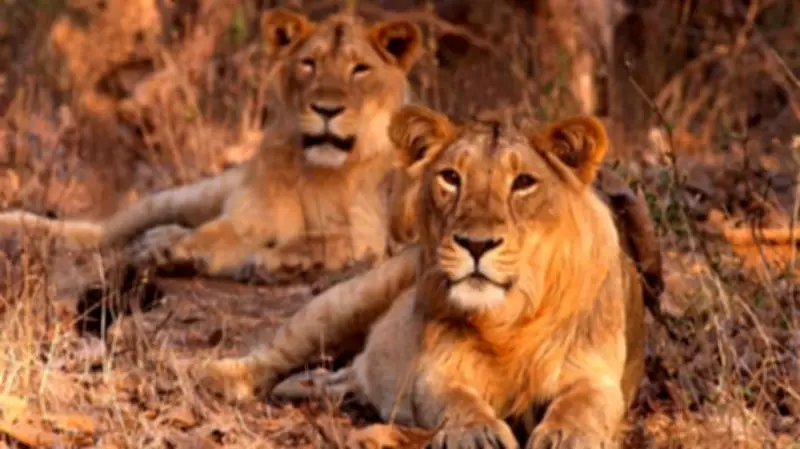
A group of seven present and former members of the Gujarat State Board of Wildlife has submitted a written representation to both the state and central governments, raising serious concerns over recent decisions that they believe threaten the Asiatic lion and its habitat.
Concerns Over Conservation Policies
The activists, who include ecologists and conservationists, have highlighted several policy changes and development projects that they argue could negatively impact the fragile ecosystem of the Gir forest region, the last remaining home of the Asiatic lion. They have urged the authorities to reconsider these decisions in the interest of wildlife preservation.
Key Issues Raised
According to the representation, the group is particularly worried about infrastructure projects, tourism expansion, and industrial activities near the protected areas. They have called for a comprehensive environmental impact assessment before any further development is allowed in the vicinity of lion habitats.

The members have also emphasized the need for stricter enforcement of existing wildlife protection laws and better coordination between state and central agencies to ensure the long-term survival of the Asiatic lion population.
Response from Authorities
As of now, neither the state nor the central government has issued an official response to the representation. However, sources indicate that the matter is being reviewed by the concerned departments.
The Asiatic lion, listed as endangered on the IUCN Red List, is found only in the Gir forest and surrounding areas of Gujarat. Conservation efforts have led to a gradual increase in their numbers, but threats from habitat loss and human-wildlife conflict persist.