China Expands Africa Influence with Major Graphite Investment in Mozambique
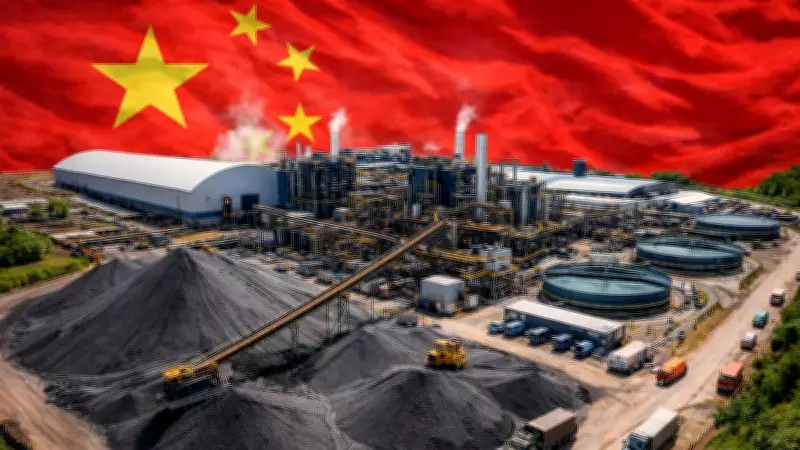
China is significantly strengthening its influence across Africa and consolidating control over critical electric vehicle minerals through a massive graphite investment initiative in Mozambique. This strategic move represents a pivotal shift in the global industrial landscape, with Mozambique transitioning from a traditional raw material supplier to an integrated producer and processor.
Transforming Mozambique's Industrial Role
Mozambique President Daniel Chapo emphasized the transformative nature of this development during a recent announcement. "Today we are entering the world's industrial map," President Chapo declared. He further elaborated, "We are no longer a supplier of raw materials, but a producer, processor and exporter of materials." This statement underscores how Chinese investment is fundamentally altering Mozambique's economic position within global supply chains.
Strategic Implications for Electric Vehicle Minerals
The substantial graphite investment carries profound implications for the electric vehicle industry worldwide. Graphite serves as a crucial component in lithium-ion batteries that power electric vehicles, making control over its supply strategically significant. China's deepening involvement in Mozambique's graphite sector provides several advantages:

- Enhanced control over critical mineral supply chains
- Strengthened position in the global electric vehicle market
- Reduced dependency on other graphite-producing regions
- Increased influence over pricing and availability of battery materials
China's Growing Footprint in Africa
This Mozambique investment represents another chapter in China's expanding economic and strategic presence across the African continent. The approach combines infrastructure development with resource acquisition, creating mutually beneficial relationships while advancing China's industrial objectives. The graphite initiative specifically addresses several key priorities:
- Securing access to essential minerals for China's manufacturing sector
- Developing processing capabilities within resource-rich nations
- Building long-term partnerships with African governments
- Creating integrated supply chains that bypass traditional Western intermediaries
The timing of this investment coincides with growing global demand for electric vehicles and their components. As nations worldwide transition toward cleaner transportation solutions, control over critical minerals like graphite becomes increasingly valuable. China's proactive approach in Mozambique demonstrates a forward-looking strategy that positions both countries advantageously within this evolving economic landscape.
This development also highlights how African nations are leveraging their natural resources to move up the value chain. Rather than simply exporting raw materials, Mozambique is developing domestic processing capabilities that create higher-value products and generate more substantial economic benefits for its population. The partnership with China facilitates this transition through investment, technology transfer, and market access.
The long-term implications of this graphite investment extend beyond immediate economic benefits. It represents a strategic realignment in global resource politics, with China strengthening its position as a dominant player in critical mineral supply chains while African nations gain greater agency in how their resources are developed and utilized.