

IIT Madras and Daimler India Forge Partnership to Develop Universal Driver Rating System
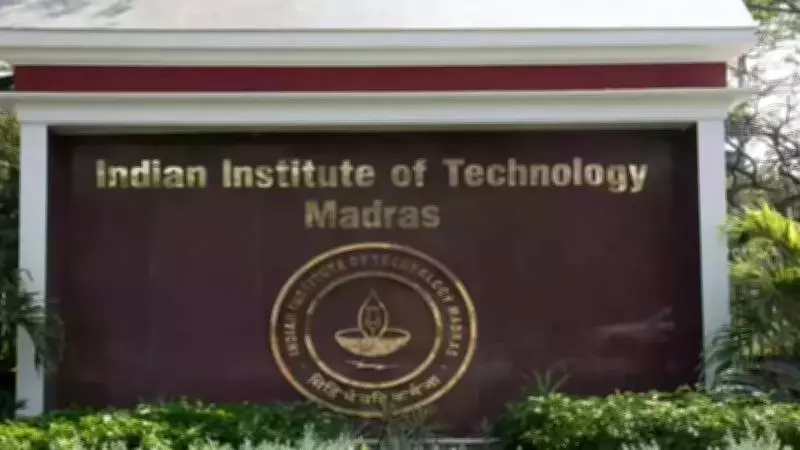
In a significant move aimed at revolutionizing India's commercial transport sector, the Indian Institute of Technology Madras has entered into a strategic partnership with Daimler India Commercial Vehicles. The collaboration, formalized through a memorandum of understanding signed in Chennai on February 2, 2026, seeks to develop a first-of-its-kind universal driver rating system that could transform how commercial driving performance is assessed across the nation.
Addressing Critical Gaps in Road Safety Infrastructure
The initiative represents a comprehensive effort to strengthen road safety while establishing the groundwork for nationwide digital public infrastructure. The proposed system is envisioned as a common reference framework for commercial driving credentials, insurance evaluation, and background verification processes. This development addresses a long-standing gap in how driver safety and behavior are measured within India's commercial transport ecosystem.
Monitoring driver performance, safety, and well-being has become increasingly complex in recent years, particularly due to the absence of comprehensive regulatory frameworks and uneven enforcement of existing rules. This regulatory vacuum has resulted in inconsistent standards and limited accountability across the sector—a critical issue that the new rating system aims to systematically address through objective, data-driven methodologies.

Academic Leadership and Industry Collaboration
Professor Gitakrishnan Ramadurai of IIT Madras, who is coordinating the project, emphasized the transformative potential of this initiative. "Trucks and truck drivers form the backbone of our country's logistics and supply chain infrastructure," he stated. "This project essentially provides them with an Aadhaar-like recognition for their good work. The driver rating system will reward safe driving practices while helping to correct risky behaviors, thereby saving lives, reducing costs, and optimizing time for all stakeholders involved in the commercial transport ecosystem."
Professor Ashwin Mahalingam, Dean of Alumni and Corporate Relations at IIT Madras, highlighted the broader significance of this industry-academia collaboration. "IIT Madras has consistently been at the forefront of research in road safety and mobility systems," he explained. "Our primary goal has always been to develop systems, processes, and infrastructure that ensure safer outcomes for roads, drivers, and commuters alike. This partnership with Daimler India Commercial Vehicles demonstrates our shared commitment to this vision and underscores how academic-industry collaborations play a crucial role in translating research into impactful, scalable, and ready-to-implement solutions that deliver meaningful societal benefits."
Technology-Driven Approach and Implementation Strategy
The universal driver rating system will be developed using advanced data-driven methodologies, combining smartphone-based inputs with sophisticated sensor data to generate objective, continuous assessments of driving behavior. The partners plan to design a robust technology stack capable of supporting large-scale, nationwide deployment, positioning the framework as a foundational element of India's digital public infrastructure.
From the industry perspective, Alexander Schoen, Chief Financial Officer at Daimler India Commercial Vehicles, emphasized how the project aligns with the company's sustainability and social responsibility priorities. "At DICV, road safety and responsible mobility are central to our approach to sustainability," he noted. "This collaboration with IIT Madras reflects our commitment to leveraging technology and data-driven innovation to create meaningful, scalable solutions that improve driver safety, professionalism, and overall well-being across the entire commercial transport ecosystem."
Potential Impact and Future Implications
The implementation of a universal driver rating system could have wide-ranging implications across multiple stakeholders:

- For commercial drivers: The system offers tangible incentives for safe driving behavior and creates pathways to improved employability through verified performance records
- For fleet operators and concessionaires: It provides sophisticated tools to monitor driver performance, track vehicles in real-time, and strengthen regulatory compliance
- For shipping companies: Benefits include improved delivery visibility and enhanced supply chain reliability
- For government agencies: Access to anonymized, evidence-based data could significantly inform road safety policies and transport regulations
If successfully implemented at scale, this initiative could mark a fundamental shift toward more accountable, transparent, and safety-oriented mobility systems in India. The collaboration between premier academic institutions and industry leaders represents a promising model for developing practical solutions to complex societal challenges, potentially setting new standards for how technology and data can be harnessed to improve public safety and operational efficiency in the commercial transport sector.





