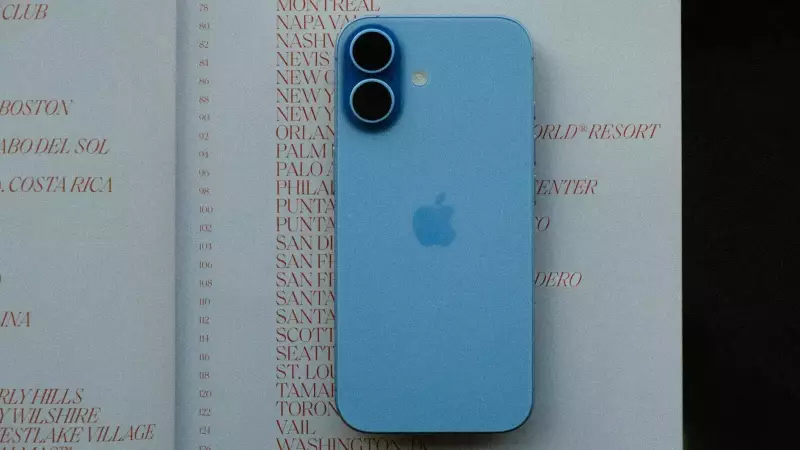
For years, choosing an iPhone meant a difficult decision. The standard model was always good, but it came with clear, intentional gaps when compared to the more expensive Pro versions. Better screens, extra camera lenses, and even special buttons were reserved for the Pros. The regular iPhone user had to make do with hand-me-down features from previous Pro generations, sometimes waiting one, two, or even three years. This was simply Apple's way, and it seemed like an unchangeable rule.
That dynamic began to shift with last year's iPhone 16, which brought down the Action button and an improved camera system. However, the truly transformative features—the ones that redefine daily usability—remained exclusive to the Pro lineup. With the iPhone 17, that era has decisively ended. This is the iPhone that delivers on the long-held promise: you no longer need to buy the Pro to get a professional-grade experience.
The Design: Familiar, Yet Refined
Let's address the obvious first: the iPhone 17 looks remarkably similar to its predecessor, the iPhone 16, which itself resembled the iPhone 15. Apple has maintained this design language since the iPhone 12, and it has become the definitive look of a modern iPhone—flat edges, rounded corners, and the now-vertical camera bump.

While some might call it boring, the design is far from bad. The iPhone 17 is slightly taller by a few millimetres to accommodate a new 6.3-inch display, and the bezels are subtly slimmer. The aluminium frame retains a comfortable matte finish, and the phone feels solid and premium. It's also a gram heavier, a change you'll never notice in daily use.
Apple continues its streak with excellent colour choices. The Mist Blue variant is particularly striking—muted yet sophisticated. Other options include Lavender, a Sage Green (dubbed 'Matcha' online), and the classic Black and White.
The front is protected by the new Ceramic Shield 2, which Apple claims offers three times better scratch resistance—a claim our testing over two months of caseless use supports. The phone retains IP68 water and dust resistance, making it feel durable enough to use without a case, though the back glass doesn't share the same scratch-resistant upgrade.
The Screen & Performance: The Pro Features Arrive
This is the headline act. After years of anticipation, the standard iPhone finally gets a 120Hz ProMotion display. The difference in fluidity is immediate and profound. Scrolling through social media, navigating iOS 26, and everyday animations feel incredibly smooth. Once you experience it, going back to a standard 60Hz screen feels jarring.
Equally significant is the addition of an Always-On Display. This feature, once a Pro exclusive, is a genuine quality-of-life improvement. Glancing at your phone to see the time, notifications, or live activity updates without touching it becomes second nature. The screen can drop to a 1Hz refresh rate when idle to conserve battery.
The OLED panel is also brighter, now reaching 3,000 nits of peak brightness, and features a better anti-reflective coating for improved outdoor visibility. Powering this experience is Apple's new A19 chip with 8GB of RAM. In practice, this means flawless, effortless performance. Whether it's editing photos, multitasking across numerous apps, or playing graphics-intensive games like Resident Evil Village, the iPhone 17 doesn't stutter.
A minor caveat is that the phone can get noticeably warm during extended gaming sessions or heavy camera use, a side effect of not having the Pro's advanced vapour chamber cooling system. However, for the vast majority of daily tasks, this is a non-issue.
Cameras, Battery & The iOS 26 Experience
The camera system sees a meaningful upgrade. The ultra-wide sensor jumps from 12MP to a 48MP resolution, resulting in sharper images with better detail, especially at the edges. The main 48MP camera remains excellent, delivering natural colours and great dynamic range. The lack of a dedicated telephoto lens is still a differentiator from the Pro, but the 2x digital zoom is very usable in good light.

The star of the show might be the front camera. Upgraded to 18MP with a new square sensor, it enables an intelligent feature called Center Stage. During selfies or video calls, it automatically frames and adjusts the zoom to keep everyone in the shot, even switching to a landscape crop when it detects multiple people. It works seamlessly and is the kind of practical AI feature users will love.
Battery life sees a solid improvement. Apple claims up to 30 hours of video playback, and in real-world testing, the phone consistently lasted a full day of heavy use with 40-45% battery remaining by midnight. Charging is faster too, reaching 50% in about 25 minutes with a compatible high-wattage adapter.
The phone runs iOS 26, headlined by the new 'Liquid Glass' design language. This interface adds fluid animations, transparency, and a sense of depth. It's visually striking and divisive at first, but most users adapt to its organic feel quickly. Other useful additions include route learning in Maps, Call Screening for unknown numbers, and enhancements to Apple Intelligence features like Visual Search and Genmoji.
Verdict: The Most Compelling Standard iPhone Ever
The iPhone 17 starts at Rs 79,900 for the 256GB model, which is Rs 10,000 less than the equivalent iPhone 16 was at launch. For that price, you get double the storage, the 120Hz ProMotion screen, Always-On Display, a vastly improved ultra-wide camera, and a better front camera with Center Stage.
This fundamentally changes the 'Pro or not' calculus. The iPhone Pro models still hold advantages: a telephoto lens, slightly more power, better cooling, and exclusive colours. But for the first time, the regular iPhone doesn't feel like a compromise. It delivers a complete, premium experience that satisfies the needs of the vast majority of users.
If you're using an iPhone 15 or older, the iPhone 17 is a compelling upgrade. Even iPhone 16 users will appreciate the dramatic screen improvement and extra storage. This is the iPhone that finally makes the Pro decision purely about specific professional needs, not about feeling left out. The gap hasn't just narrowed; for most people, it has effectively closed.
Our Rating: 4.5 out of 5.