Daily Riding Habits, Not Defects, Are Primary Cause of Premature Motorcycle Engine Wear
Despite significant advancements in motorcycle engineering, materials, and thermal management systems, premature engine wear remains a persistent issue for many riders. Contrary to common belief, this deterioration is rarely due to inherent mechanical defects. Instead, it is overwhelmingly linked to the daily usage habits of the rider. The condition of an engine typically degrades gradually over time due to the accumulation of repeated minor mistakes, rather than from a single catastrophic failure.
Factors Influencing Long-Term Engine Durability
Several key factors directly influence the long-term health and durability of a motorcycle engine. These include:
- Riding Style: How aggressively or gently the motorcycle is operated.
- Maintenance Practices: Adherence to service schedules and proper care.
- Traffic Conditions: The environment in which the motorcycle is primarily used.
- Fuel Quality: The type and purity of fuel being consumed.
The negative effects of poor habits in these areas are particularly pronounced in urban settings. Stop-and-go traffic, frequent idling, and exposure to consistently high ambient temperatures all place increased stress on the engine. While the impact of these factors may not be immediately apparent, they cumulatively lead to reduced performance, higher fuel consumption, and significantly increased repair costs over the lifespan of the motorcycle.

Five Common Mistakes That Accelerate Engine Wear
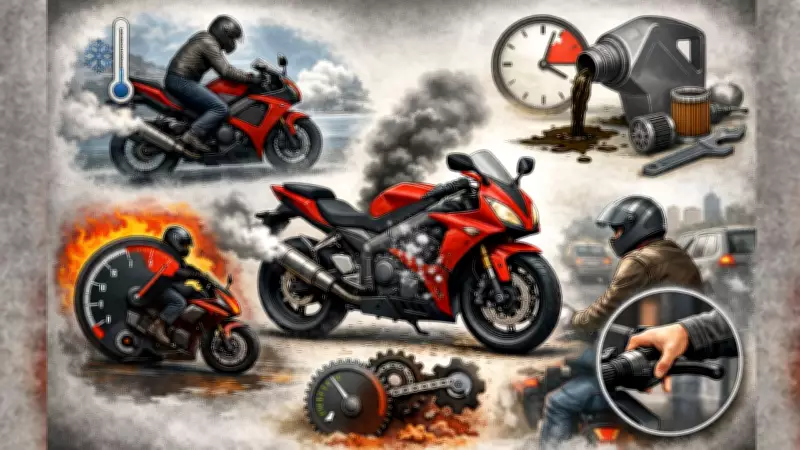
Here are five prevalent errors that many motorcycle owners continue to make, each contributing to premature engine deterioration.
1. Improper Cold Starts
Improper cold starts rank among the most frequent and damaging issues. When an engine is cold, the engine oil has not yet fully circulated throughout the system. This leaves critical internal components—such as pistons, cylinders, and camshafts—with inadequate lubrication during the initial moments of operation. Riding aggressively immediately after starting a cold engine dramatically increases friction and mechanical wear. A simple yet effective mitigation strategy is to allow the engine to idle briefly and then ride gently for the first few minutes. This permits the oil to warm up and reach all necessary parts, substantially reducing stress.
2. Skipping or Delaying Oil Changes
Neglecting timely oil changes is another major contributor to declining engine health. Engine oil naturally degrades over time due to exposure to extreme heat and contamination from combustion byproducts and metal particles. This degradation reduces the oil's vital ability to lubricate moving parts and dissipate heat effectively. Continuing to use degraded oil increases internal friction and operating temperatures, leading to gradual but certain damage to engine components. This effect is intensified in challenging conditions like heavy urban traffic and hot climates. Strictly following the manufacturer's recommended service intervals is therefore non-negotiable for engine longevity.
3. High-Rev Riding and Engine Lugging
Sustained operation at very high revolutions per minute (RPM) places an excessive additional load on internal components, including the crankshaft, connecting rods, and valves. While modern engines are designed to handle high RPMs, prolonged use in this range generates excessive heat and accelerates wear, especially in city conditions that require frequent acceleration. Conversely, running the engine at excessively low RPMs in a high gear—a practice known as "lugging"—is equally harmful. It forces the engine to labor under high load, which can cause knocking (pre-ignition) and places undue strain on the crankshaft and bearings. Using the appropriate gear for your speed ensures smoother and safer engine operation.

4. Excessive and Improper Clutch Use
Excessive use of the clutch, particularly the habit of partially engaging it ("riding the clutch") in slow-moving traffic, leads to rapid heat build-up. This accelerates the wear of the clutch plates and related components. Furthermore, improper clutch engagement negatively affects power delivery to the rear wheel and overall drivetrain efficiency. The clutch should be used decisively—fully engaged or disengaged—and only when necessary, such as when starting from a stop or changing gears, to avoid this unnecessary mechanical strain.
5. The Cumulative Impact of Minor Habits
Individually, each of these mistakes might seem minor. However, their effects are cumulative over weeks, months, and years of riding. The consistent repetition of these poor practices is what ultimately leads to a noticeable decline in engine performance and a shortened operational life.
Conclusion: Prolonging Engine Life Through Better Habits
The path to a longer-lasting motorcycle engine is clear. By consciously addressing these common errors through the adoption of better riding techniques and a commitment to regular, preventative maintenance, riders can significantly help maintain optimal engine performance. This proactive approach not only extends the engine's life but also enhances safety, reliability, and overall riding enjoyment while keeping long-term ownership costs in check.