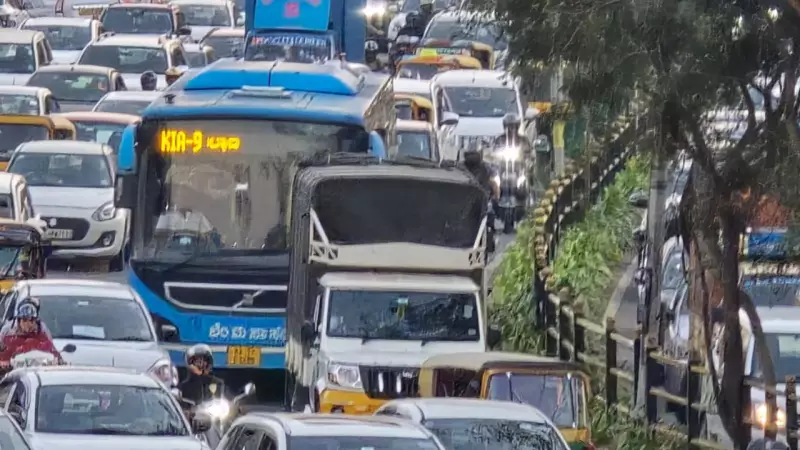
Bengaluru Ranks Second Globally in Traffic Congestion, Pune Secures Fifth Position
In a concerning development for urban commuters, Bengaluru has been identified as the second most congested city in the world for the year 2025, according to the latest TomTom Traffic Index. This ranking underscores the escalating traffic challenges faced by residents in India's major metropolitan areas.
Global Traffic Congestion Rankings: India's Prominent Presence
The TomTom Traffic Index reveals that Mexico City retains its position as the most congested city globally, with Bengaluru following closely behind in second place. This highlights the severe traffic delays that plague major urban centers across continents, affecting millions of daily commuters.
India's representation in the global congestion rankings is particularly notable, with Pune securing the fifth position and Mumbai ranking eighteenth. These placements indicate that traffic congestion remains a persistent and growing issue in India's rapidly expanding cities, significantly impacting daily commute times and overall urban mobility.

Bengaluru's Deteriorating Traffic Situation: A Three-Year Trend
An analysis of Bengaluru's congestion ranking over recent years paints a worrying picture. The city has experienced a steady decline in traffic conditions, moving from sixth position in 2023 to third in 2024, and now second in 2025. This consistent worsening trend occurs despite various city development initiatives aimed at improving infrastructure and transportation networks.
Key Traffic Metrics Reveal Commuter Challenges
The TomTom data provides specific insights into the daily struggles faced by Bengaluru commuters:
- Average peak traffic speed dropped to 13.9 km/h in 2025, representing a decrease from previous years and reflecting the increasing number of vehicles on already congested roads during morning and evening rush hours.
- Travel time for a 10-kilometer journey now exceeds 36 minutes, marking an increase of more than two minutes compared to 2024. This additional time adds to the daily frustration experienced by drivers and riders navigating the city's roadways.
- Congestion levels reached 74.4% in 2025, meaning motorists lose nearly three-quarters of additional travel time when compared to free-flow traffic conditions.
The Cumulative Impact of Traffic Congestion
The long-term effects of Bengaluru's traffic situation are substantial. Commuters undertaking two daily 10-kilometer trips spend approximately 168 hours annually stuck in traffic. This significant time loss has profound implications for work-life balance, productivity, and overall quality of life for city residents.
Global Context: Traffic Congestion as a Worldwide Challenge
Following Bengaluru in the global rankings is Dublin, Ireland, demonstrating that severe urban traffic congestion is not exclusive to India but represents a global challenge for growing cities. This international perspective highlights the widespread nature of transportation infrastructure struggles in rapidly developing urban areas.
Comparative Traffic Speeds in Indian Cities
While Bengaluru faces particularly severe congestion, other Indian cities also experience significant traffic delays:
- Pune commuters average 18 km/h during rush hour
- Mumbai's traffic moves at 20.8 km/h during peak periods
Although these speeds are slightly better than Bengaluru's, they still represent considerable delays when compared to cities with more efficient traffic management systems and smoother traffic flow.
The TomTom Traffic Index findings serve as a crucial reminder of the urgent need for comprehensive urban planning and transportation solutions in India's major cities. As urban populations continue to grow and vehicle numbers increase, addressing traffic congestion becomes increasingly vital for sustainable urban development and improved quality of life for residents.