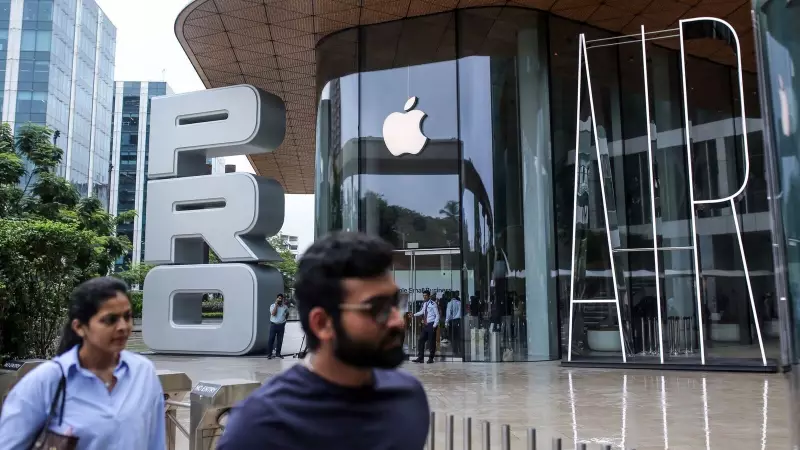
In a significant development, Apple Inc. has decided to push back against a directive from the Indian government that requires smartphone manufacturers to preinstall a state-run cyber safety application on their devices. According to sources familiar with the matter, the tech giant plans to formally convey its concerns to authorities in New Delhi, setting the stage for a potential standoff.
The Government's Directive and Its Intent
The controversy stems from a confidential order issued by India's telecom ministry to several major phone makers, including Apple, Samsung, and Xiaomi. The mandate, reported first by Reuters on Monday, December 2, 2025, gives these companies a 90-day window to preload an application named Sanchar Saathi (Communication Partner) on new smartphones sold in the country.
The government's stated goal is to enhance security by using the app to track stolen phones, block them from networks, and prevent their misuse. Officials have emphasized that the move addresses a "serious endangerment" of cybersecurity, particularly in India's large second-hand mobile device market where phones with duplicated or spoofed IMEI numbers are often resold.

Furthermore, the order stipulates that manufacturers must ensure the app cannot be disabled by users. For devices already in the supply chain, companies are expected to push the app via over-the-air software updates.
Apple's Firm Stance and Privacy Concerns
Despite the government's rationale, Apple has indicated it does not plan to comply with this directive. Three industry sources, who requested anonymity due to the private nature of the discussions, revealed Apple's position to Reuters.
Two of these sources explained that Apple will tell the Indian government it does not follow such preload mandates anywhere in the world. The company's core argument centers on the host of privacy and security issues such a requirement would introduce to its tightly controlled iOS ecosystem. One source dramatically likened the mandate to "a double-barrel gun," highlighting the perceived severity of the intrusion.
Apple is known for its stringent control over the App Store and its proprietary iOS software, which are fundamental to its lucrative services business. The company fears that creating an exception for a government-mandated app could open security vulnerabilities and set a problematic precedent.
The second source stated unequivocally that Apple "can't do this. Period." However, the company's current strategy is not to initiate a public legal battle but to engage in direct discussions with the government to explain its technical and policy constraints.
Political Backlash and Surveillance Fears
The government's order has ignited a fierce political and public debate, transcending the tech industry. The move was met with a furore in Parliament on Tuesday, with numerous opposition lawmakers accusing the government of attempting to introduce a state-sanctioned snooping tool.
Rahul Gandhi of the main opposition Congress Party announced his intention to raise the issue in Parliament. The Congress Party has formally called for a rollback of the mandate. Senior Congress leader KC Venugopal took to social media platform X to declare, "Big Brother cannot watch us," encapsulating the widespread privacy concerns.
Critics argue that the app could provide the government with unprecedented access to data on India's estimated 730 million smartphones, raising alarms among digital rights activists and privacy advocates.
Broader Industry Impact and Context
While Apple takes a definitive stand, the response from other manufacturers appears more measured. A fourth industry source indicated that other brands, including Samsung, are currently reviewing the government's order. Samsung has not yet issued an official public comment on the matter.
The situation is further complicated for Apple due to its existing legal challenges in India. The company is already engaged in a court fight with an Indian antitrust watchdog over the nation's competition penalty laws, a case in which Apple has said it risks a fine of up to $38 billion.

This incident places India among a growing list of countries, including Russia, where authorities are framing rules to block stolen phones or promote state-backed apps. Sources also noted that the Indian government proceeded with this order without prior consultation with the industry, adding to the friction.
As of now, neither Apple nor India's telecom ministry has responded to official requests for comment on the developing situation. The outcome of this dispute will have significant implications for data privacy, government authority, and the operational freedom of global tech giants in one of the world's largest and fastest-growing smartphone markets.