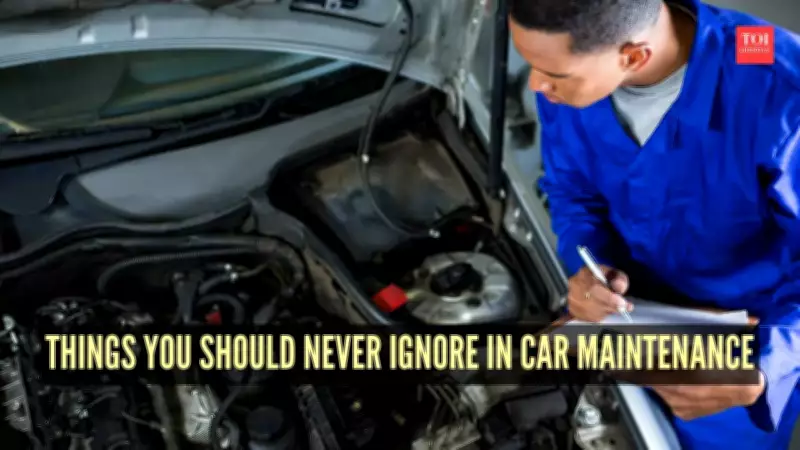
Essential Car Maintenance: 6 Critical Areas Drivers Must Never Overlook
Regular car maintenance is a fundamental practice that ensures safety, reliability, and optimal performance for any vehicle. Many drivers tend to overlook minor warning signs or skip routine checks, which can lead to significant mechanical issues over time. By adopting a proactive approach, focusing on simple inspections like engine oil levels and tire pressure, and heeding dashboard alerts, drivers can enhance their car's longevity and enjoy a smoother, trouble-free driving experience. This comprehensive guide outlines six key maintenance areas that are essential to never ignore.
1. Engine Oil Checks and Changes
Engine oil plays a critical role in lubricating the moving parts of an engine, effectively reducing friction and preventing wear. Over time, oil can become contaminated with dirt and debris, leading to increased engine wear and potential overheating. Regular checks and timely changes are vital for maintaining smooth engine operation and extending the engine's lifespan. Neglecting this can result in costly repairs, as damaged engines often require extensive fixes. By staying on top of oil maintenance, drivers save money and ensure their vehicle runs efficiently.
2. Brake System Inspection
The braking system is one of the most crucial safety features in any vehicle, directly impacting stopping ability and overall security. Key components to monitor include brake pads, brake fluid levels, and any unusual sounds when applying the brakes. Failure to inspect these elements can lead to increased braking distances, making the vehicle hazardous to drive. Regular inspections help ensure that brakes respond effectively when needed, preventing accidents and maintaining driver confidence on the road.

3. Tire Pressure and Tire Condition
Tires are fundamental to a vehicle's handling, fuel efficiency, and safety. Driving with under-inflated or worn tires can reduce traction, compromise stability, and elevate the risk of accidents. Regularly checking tire pressure and monitoring tread depth are simple yet effective practices. Properly inflated tires with adequate tread improve road grip, enhance fuel economy, and extend tire life, contributing to a safer and more economical driving experience.
4. Battery Health
A weak or failing battery can leave drivers stranded unexpectedly, especially in extreme temperatures where battery performance often declines. Over time, batteries lose their ability to hold a charge, leading to potential breakdowns. Regularly checking battery terminals for corrosion and testing the battery's performance can prevent such incidents. By maintaining battery health, drivers ensure reliable vehicle starts and avoid inconvenient and costly roadside emergencies.
5. Coolant and Fluid Levels
Vehicles depend on various fluids, including coolant, brake fluid, and transmission fluid, to operate smoothly. Coolant is essential for preventing engine overheating, while other fluids aid in braking and power transmission. Low or contaminated fluid levels can cause mechanical damage, overheating, and reduced performance. Regular monitoring and timely replacement of these fluids help maintain the car's overall functionality and prevent expensive repairs down the line.
6. Dashboard Warning Lights
Modern vehicles are equipped with dashboard warning lights that alert drivers to potential issues, such as engine problems, low tire pressure, or battery faults. These indicators are designed to provide early warnings that require immediate attention to prevent further damage or safety risks. Ignoring these lights can lead to severe mechanical failures or hazardous driving conditions. Drivers should always address warning lights promptly to ensure their vehicle remains safe and operational.
Conclusion: Prioritizing Maintenance for Long-Term Benefits
One of the most effective ways to guarantee a safe and problem-free driving experience is through consistent car maintenance. By paying close attention to critical components like brakes, fluids, tires, and warning signs, drivers can significantly extend their vehicle's lifespan and avoid major issues. Regular checks not only enhance performance but also provide peace of mind, knowing that the car is in optimal condition for every journey.