X Petitions Delhi High Court for Review of Order Blocking 12 Accounts
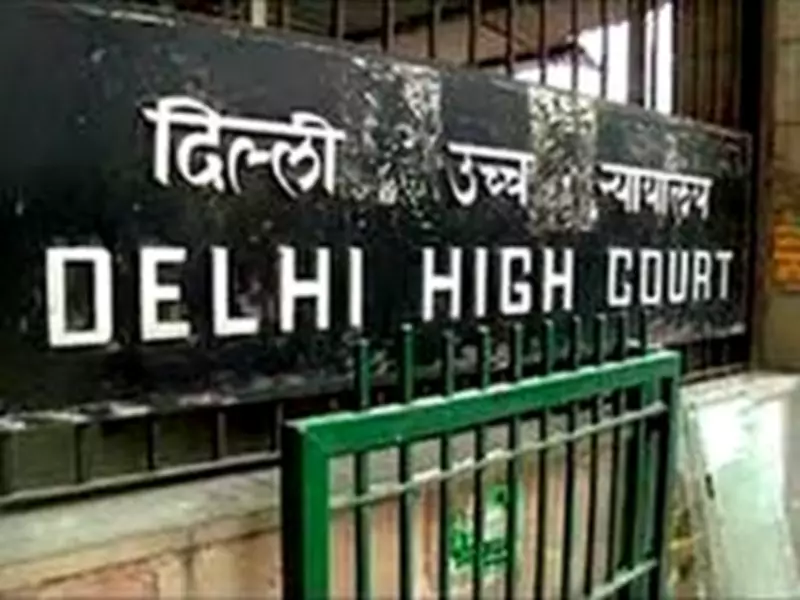
Social media platform X, formerly known as Twitter, has formally approached the Delhi High Court, seeking a review of a recent judicial order that mandated the blocking of 12 user accounts on its platform. The company filed a petition arguing that the court's directive, issued earlier, lacks sufficient clarity and fails to adhere to proper procedural standards, thereby necessitating a thorough re-examination.
Legal Grounds and Procedural Concerns Raised by X
In its detailed submission to the Delhi High Court, X highlighted several key legal and procedural issues with the blocking order. The platform contends that the order does not provide explicit reasons for the specific accounts targeted, making it challenging to comply effectively or understand the underlying violations. This lack of transparency, X argues, could set a concerning precedent for future content moderation cases in India. Additionally, the company emphasized that such directives should ideally follow established legal frameworks, including opportunities for user notification and appeal, which were reportedly absent in this instance.
The petition underscores X's commitment to operating within Indian laws while advocating for fair and transparent processes in content regulation matters. By seeking a review, the platform aims to ensure that any blocking actions are justified, proportionate, and aligned with principles of natural justice, thereby protecting user rights and maintaining platform integrity.

Background and Implications of the Blocking Order
The Delhi High Court's original order to block the 12 accounts emerged from ongoing legal proceedings, though specific details about the accounts or the nature of the alleged violations have not been publicly disclosed in full. This case is part of a broader trend where Indian authorities and courts have increasingly intervened in social media governance, citing concerns over misinformation, hate speech, and national security.
Industry observers note that this move by X reflects growing tensions between global tech companies and Indian regulatory bodies over content control and free speech. Similar disputes have arisen in the past, with platforms balancing compliance with local laws against their global policies on user expression. The outcome of this review petition could influence how social media platforms engage with Indian judicial and executive orders in the future, potentially shaping the digital landscape in one of the world's largest internet markets.
Next Steps and Broader Context
The Delhi High Court is expected to hear X's review petition in the coming weeks, where both sides will present their arguments. Legal experts suggest that the court's decision could hinge on interpretations of India's Information Technology Act and related rules, which govern intermediary liability and content blocking. A ruling in favor of X might lead to more detailed and reasoned orders in similar cases, while an affirmation of the original directive could reinforce judicial authority in digital content matters.
This development occurs amid heightened scrutiny of social media platforms in India, with recent debates over data privacy, electoral integrity, and online safety. As X navigates this legal challenge, it underscores the complex interplay between technology, law, and society in regulating online spaces. Stakeholders, including users, activists, and policymakers, will be closely watching the proceedings, as they may have far-reaching implications for digital rights and platform accountability in the country.